gardenchatter

Garden adventures, thoughts and ideas…


Leave a comment

Egyptian Onion

Egyptian1

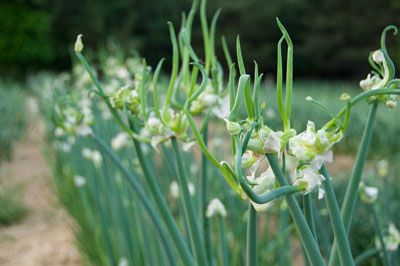
A few years ago a friend gave me an Egyptian onion to add to my garden. I honestly didn’t know what to do with it, so I planted it among the perennials and waited to see what it did. After watching it grow and develop I decided to do a little research. And I’m sure glad I did – now we’re enjoying these onions in the kitchen!

Here’s what I’ve learned:

Native to Pakistan and India, but later adopted by Egypt, the Egyptian onion (Allium cepa var. proliferum) is a unique and unusual member of the onion family. The Egyptians believed that the strong fragrance would protect them, keep them free from disease and awaken their dead. Etchings of the plant are found in Egyptian tomb drawings as far back as 3,000 BC, illustrating their reverence of its perceived power.

For home gardeners, it is a perennial vegetable that provides interest and edibles from early spring right through to fall frost. As soon as the scent of spring is in the air, green shoots emerge without regard for any lingering snow and do not stop sprouting until reaching their full 2 to 3 foot height.

Called a tree onion because of the small bulbils (also known as topsets or sets) that form on its tall stem and a walking onion due to its distinctive propagation method, the Egyptian onion is one of the first plants to awaken each spring.

As the round, hollow onion stalks thicken and grow they can be snipped and eaten, similar to chives, but if left alone will develop small white flowers that by midsummer begin to fade as tiny, curled leaves and numerous small onions, or topsets, begin to grow at the stalk tip. New leaves will rise out of these topsets, which in turn produce further small onions, or bulbils at their tip (hence, the tree-like look of the tree onion name). As the weight of the onions overwhelm the stalk, it bows to the ground, and the young onions lay in the soil, root and form a new plant just inches away, almost as if stepping, or walking away from the mother plant. Gardeners can leave a few topsets on the plant each year to increase the overall onion yield as they randomly drop, or cut the onions from the stalk and plant in a preferred area. The Egyptian onion also forms numerous bulbils at ground level that can be removed without hurting the plant, providing more onions for the cook and more plants for the gardener.

The underground bulbs multiply each growing season and require dividing every few years. When planting both bulb divisions and the small topsets, avoid beds that have had recent onion crops, to help reduce the risk of transferring any pests or diseases to the young plants that may have been left behind by the previous tenants.

This cool-season crop prefers a well-drained site, high in organic matter with a pH ranging from 6.2 to 6.8. Easily grown in full sun or part shade, the Egyptian onion will sprout to 3 feet high and spread up to 2 feet wide at maturity. Best planted in the spring or fall, the Egyptian onion will provide years of fresh chive-like greens and dozens of shallot size onions all season long. Frost tolerant, Egyptian onions grow in plant hardiness zones 4 through 10 and will survive in zone 3 with a good layer of mulch for protection over the winter. Plant bulbs 1 inch deep, spaced 12 inches apart and keep them well watered; regular, even moisture will provide higher, healthy yields, and a pleasant, mild tasting onion.
Leave a comment

Now That Garden Season is In Full Swing – Use the Right Tools to Get the Job Done!

Image


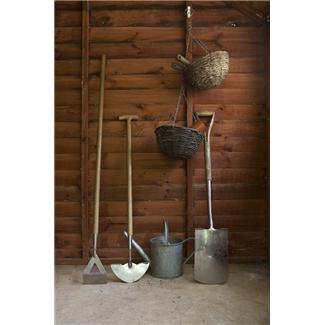
Garden tools are essential to regular upkeep and maintenance of the garden and landscape, and a wide variety are available to help get the job done. Basics include bypass and anvil pruners for trimming shrubs and plants, spades and forks for digging and transplanting, trowels assist with planting in small beds and containers and cultivator’s aid in keeping the area well aerated and weed free.


Pruners and Loppers:

Available in two styles, pruners are essential for trimming shrubs and bushes, deadheading spent flower heads and cutting back overgrown or fast-growing plants. Anvil pruners crush the plant stem, and are best suited for dead or old wood on shrubs and vines. Bypass pruner blades pass each other when cutting, and deliver clean, close cuts that are safer for living stems, vines and flowers. Pruner handles typically range in length from 6 to 9 inches, and all pruners come with a locking mechanism to keep the blade closed when not in use. Loppers are the long-handled version of pruners, used to trim small branches from trees and tall shrubs, while standing on the ground. Loppers, as with hand-held pruners, also are available in anvil or bypass style, depending on the nature of the required pruning.

Garden Forks and Spades:

Digging in the garden can be challenging and the right tools help make the job easier. Garden forks assist in loosening and aerating the soil, mixing in nutrients, and minimizing root damage while transplanting plants or shrubs. A spade is a virtual do-it-all tool used for digging shrubs and perennials, moving and transplanting, edging, working the soil and countless other garden chores. Spades are available in a number of different shapes for every digging need; look for handles that reach shoulder level to allow for flexibility and control while working.

Trowels:

Trowels are small hand-held shovels used for planting annuals and perennials, small bed care, raised gardens and containers. General-purpose trowels have a 3 to 4 inch blade; transplanting trowel blades are 1 1/2 to 3 inches, good for bulb planting, and crevice trowels have a 1 1/4 inch blade for use in rock gardens and small spaces. Look for trowels that have a strong connection between blade and handle or one-piece units that eliminate the possibility of the handle and blade coming loose or disconnecting.


Cultivators:

Cultivators break up the top few inches of garden soil, allowing gardeners to remove weeds, aerate the soil and get a new bed ready for planting. The cultivating fork is a three- or four-pronged metal tool, available long-handled for use in large gardens, and short-handled for use in smaller beds or containers where plants grow close together. Cultivator tines are usually steel, but the handles are available in wood, aluminum and plastic, to suit each gardener’s need. Larger beds with well-spaced plants and the preparation of new gardens can benefit from use of a rotary tiller, the motorized version of the hand cultivator.

Tool Care:

Regular maintenance and cleaning of garden tools extends the life of the tool, allows the gardener to spend more time in the garden and promotes a safe, healthy environment for plants and flowerbeds alike. Cleaning tools after every use keeps insect eggs, weed seed and disease from spreading to other parts of the garden. Regular cleaning also keeps tools in optimum condition by removing soil dampness that may promote rust. Spray dirty tools with the garden hose to remove all soil, and use a scrub brush on any dirt that is tough to remove. Dry with a rag before putting tools away.


Happy Gardening!


2 Comments

Dandelion – Weed or Wonder?

1319106_81668957-900x600

Steep the plant for a refreshing, detoxifying tea. Make an energizing breakfast smoothie. Add the leaves to salad greens for an impressive vitamin boost. Make a soothing cream soup, or boil the roots to create a supportive liver tonic. Any way you pull it, this misunderstood and unwelcome harbinger of spring packs a punch when it comes to overall health benefits.

A flowering herbaceous perennial native to Europe and Asia and believed to have evolved roughly thirty million years ago, the dandelion (Taraxacum officinale) was introduced to North America by early colonists in the 1700s. Quickly acknowledged by the native people as a beneficial herb, the dandelion has been utilized since that time for both its medicinal and nutritional benefits. The Greek botanical taraxacum, meaning, “remedy for disorders” indicates that the dandelion has a long history as a beneficial plant, and the designation “officinale” refers to its value as a recognized medicinal herbal remedy. Common folklore names include Irish daisy, blow ball, bitterwort, wild endive and pissabed, the latter likely due to its diuretic properties.

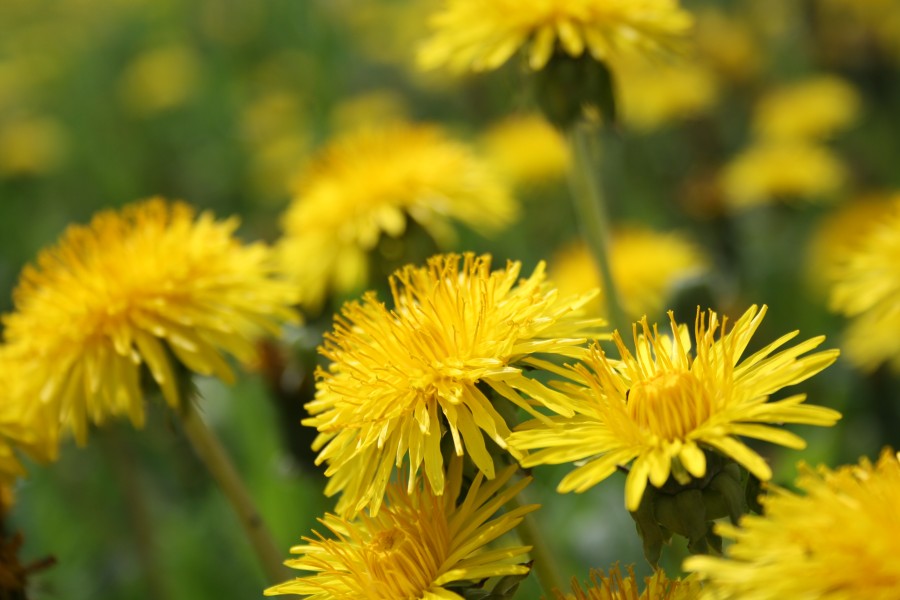
The name “dandelion” is derived from the French “dent de lion” – tooth of the lion, referring to the irregular, jagged tooth-like edges along the plant leaf. The dandelion leaves are basal (sprouting from the base of the plant) and grow 5 to 40 cm long. The longest blooming of any perennial, the round, bright yellow flower is comprised of hundreds of small florets to create one single flower head, which sits atop a hollow, leafless stem that can grow from 10 to 20 cm high. As the flower fades, the dandelion develops a round seed head, complete with white, feather-like tufts to carry the more than 200 seeds per head along with the wind to a new home. The fleshy taproot grows up to 45 cm deep into the ground, helping to aerate the soil and bring nutrients up to surrounding vegetation. Fast-growing, adaptable and very hardy, the dandelion will sprout in any soil type, in full sun to part shade, in any hardiness zone except those with temperature extremes. Reproduction is by seed only.

The dandelion has more nutritional and medicinal uses than any other common garden weed, and the entire plant contributes to both. Nutritionally, dandelion greens are high in vitamins A, B and C, protein, omega 3 fatty acids and iron, and also contain potassium, calcium, magnesium, zinc and fibre. Medicinally, the roots can be boiled and the broth used as a drink or tincture to aid in the cure of liver infections and kidney stones, and the juice taken from the stem and leaves can remove warts, reduce calluses and relieve sores. The plant, when eaten helps to cleanse and detoxify and has strong diuretic properties. The leaves, when cooked help to treat various skin conditions including acne and eczema, and the entire plant contains antioxidant properties and helps boost the immune system. Not a single part of the dandelion goes to waste.

With all this in mind one cannot help but wonder why the dandelion is tops on the most loathed garden weed list, rather than revered for the truly beneficial herb and stunning summer flower that it is. Gardeners yearn for blooms that show their brilliant shades for weeks – the dandelion does just that. The deep taproot aerates the soil and the flowers feed bees. Consumer’s travel to the store to pay for healthy greens that Mother Nature delivers, and millions take medications that could be replaced by dandelion roots, leaves or stems.

If dandelions were endangered, would we show this plant more respect and embrace its benefits, enjoying the long-lasting blooms and health offerings provided? If it were a pricey restaurant entree, would we rethink the never-ending spring weeding rituals and stop looking for effective, but dangerous herbicides? Would the perfect lawn continue to be a priority, or would we realize we have a free and delicious source of optimal health right at our fingertips?

Perhaps then, we might also recall the fun of this much-loved childhood plant and instead of attempting to destroy it, pick up the round, puffy seed heads, blow them onward, and make a wish for more.


Leave a comment

Stratford Garden Festival

Had a fabulous day at the Stratford Garden Festival. It sure was nice to see “spring”. With the winter we’ve had, and the 2 feet of snow still staring back from the yard, we are not quite sure when spring will truly arrive in this area.

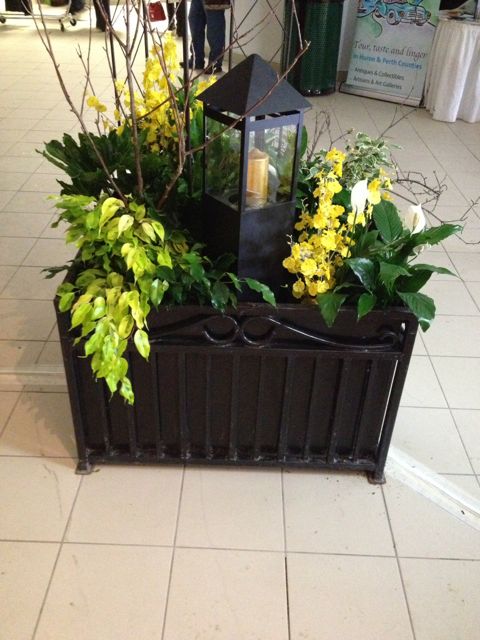
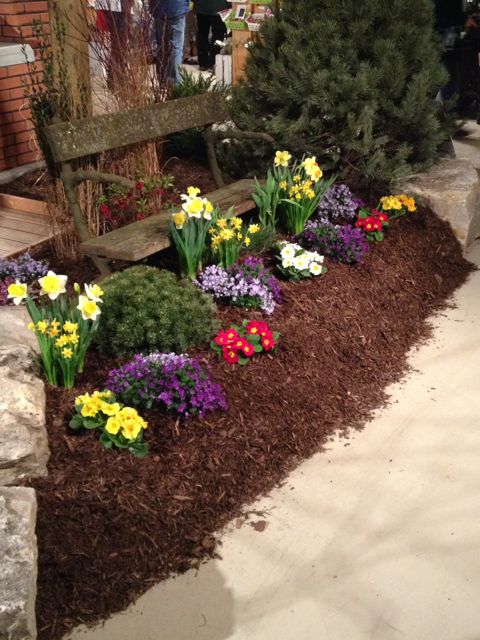
There was a great mix of garden and patio ideas, vendors and speakers – something for everyone. And it’s very nice that from year to year there are a few favourites and plenty of new exhibits and people to see. 

The greenhouse will be very happy with all the seeds it will be receiving once the weather improves – however I think another raised bed or two is in order to accommodate the amount that I purchased!

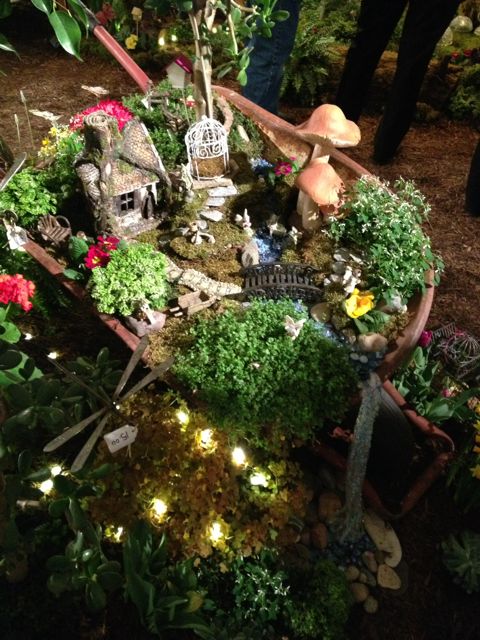
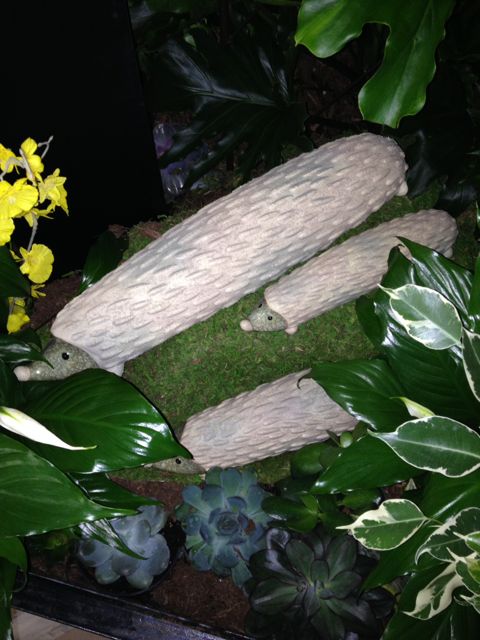
A new trend for some gardeners is Fairy Gardening – you’ll see one picture below. It’s all about making a magical, welcome space for garden fairies to visit (or maybe hobbits!) – it’s basically a miniature garden with miniature features and fixtures, even furniture for the little ones to rest on. This was the first year a fairy garden display was at Stratford. (To learn more, search the internet  – there’s a ton of information).

Image

Image


Image


Image


http://www.stratfordgardenfestival.com


Leave a comment

2014 Perennial Plant of the Year

The 2014 Perennial Plant of the Year has been announced – Panicum virgatum ‘Northwind’!

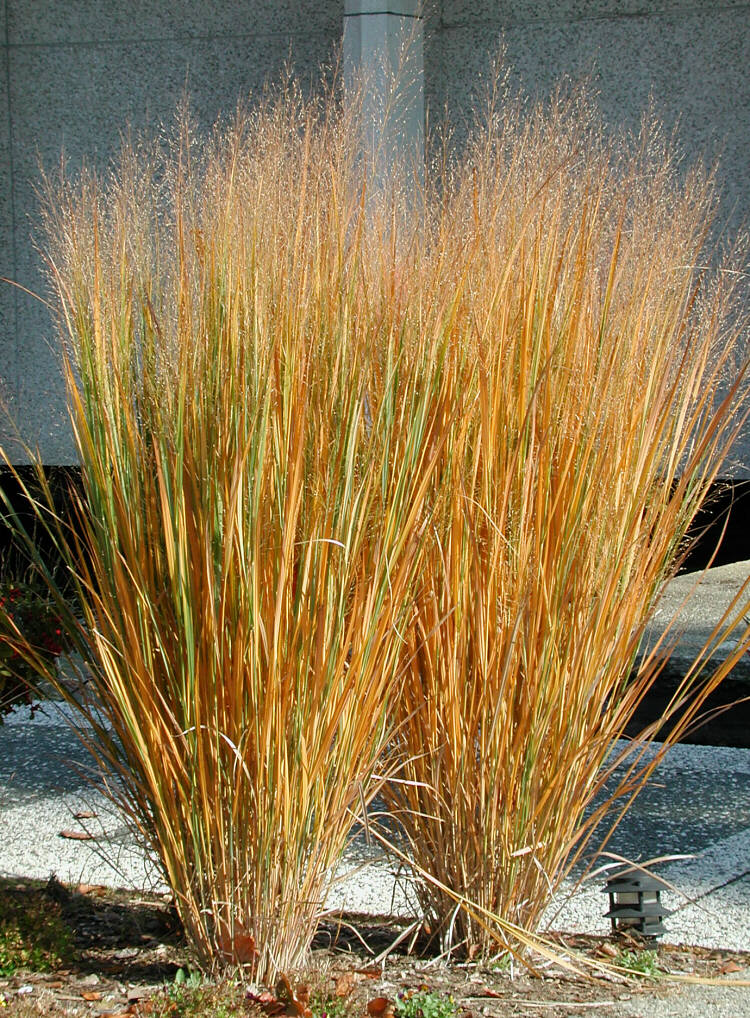
The third ornamental grass to have held this honor (Calamagrostis ‘Karl Foerster’ in 2001 and Hakonechloa macra ‘Aureola’ in 2009), Northwind is a warm-season perennial grass (known as switchgrass) with very straight blue-green foliage.  A slow-growing, clumping grass, Northwind will reach a height of 5 feet, with finely textured flower panicles reaching up to 7 feet high. 

In the fall, the leaves turn a warm, golden-yellow shade.

Easy to grow, Northwind enjoys bright sun or light shade, is drought tolerant, not appealing to deer and has no serious disease or insect problems. 

Guess I need to find a new spot to dig up!

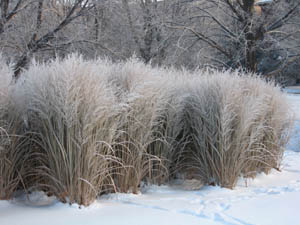
The pictures below show Northwind throughout the seasons.

Image

Image

Image


Leave a comment

The Night Before Christmas…Garden Style!

Image


Came across this today – it’s a twist on an old favorite that I wrote a couple of years back and had published in the Ontario Horticultural Association provincial newsletter. 

Seeing as we’re just 2 weeks away from the big day, and my first seed catalogue arrived in the mail this afternoon, it seemed fitting…


The Night Before Christmas…..(Garden Style)


Twas the night before Christmas and all through our town,

Not a creature was stirring, no one was around.


The tools were all hung in the garage with care,

In hopes that the spring-time soon would be there.


The bulbs were all nestled snug in their beds,

While visions of sunshine danced in their heads.


And me in my flannels and grey woollen throw,

Had just settled down for a nice garden show.


When out in the driveway there arose such a clatter,

I sprang from the couch to see what was the matter.


Away to the window I flew like a weed,

And tore open the curtains with incredible speed.


The moon on the driveway, now full of new snow,

Made me think of the shovel, the rake, then the hoe. 


When what to my wondering eyes I did look,

At the postman there, with my spring seedling books.


I ran to the mailbox fast as the wind,

Tore open the package and sat there and grinned.


Oh iris, oh lily, oh tulip, and phlox,

Bee balm, aster, pansy and ‘hocks.


Roses, herbs, grasses, each made to enthral,

Order them, order them, order them all!


And though winter seems long, the spring does arrive,

As we again are amazed, at how our plants thrive.


So with pencil in hand, the order I wrote,

Dreaming of the garden and time I’ll devote.


On with the stamp, and off to the mail,

Tossed in the envelope, and down it did sail.


And I swear it exclaimed, as it fell out of sight,

Merry Christmas To You, May Your Garden Be Bright!


Wishing everyone Happy Holidays – and an Early Spring!


1 Comment

Frogs in the Pond

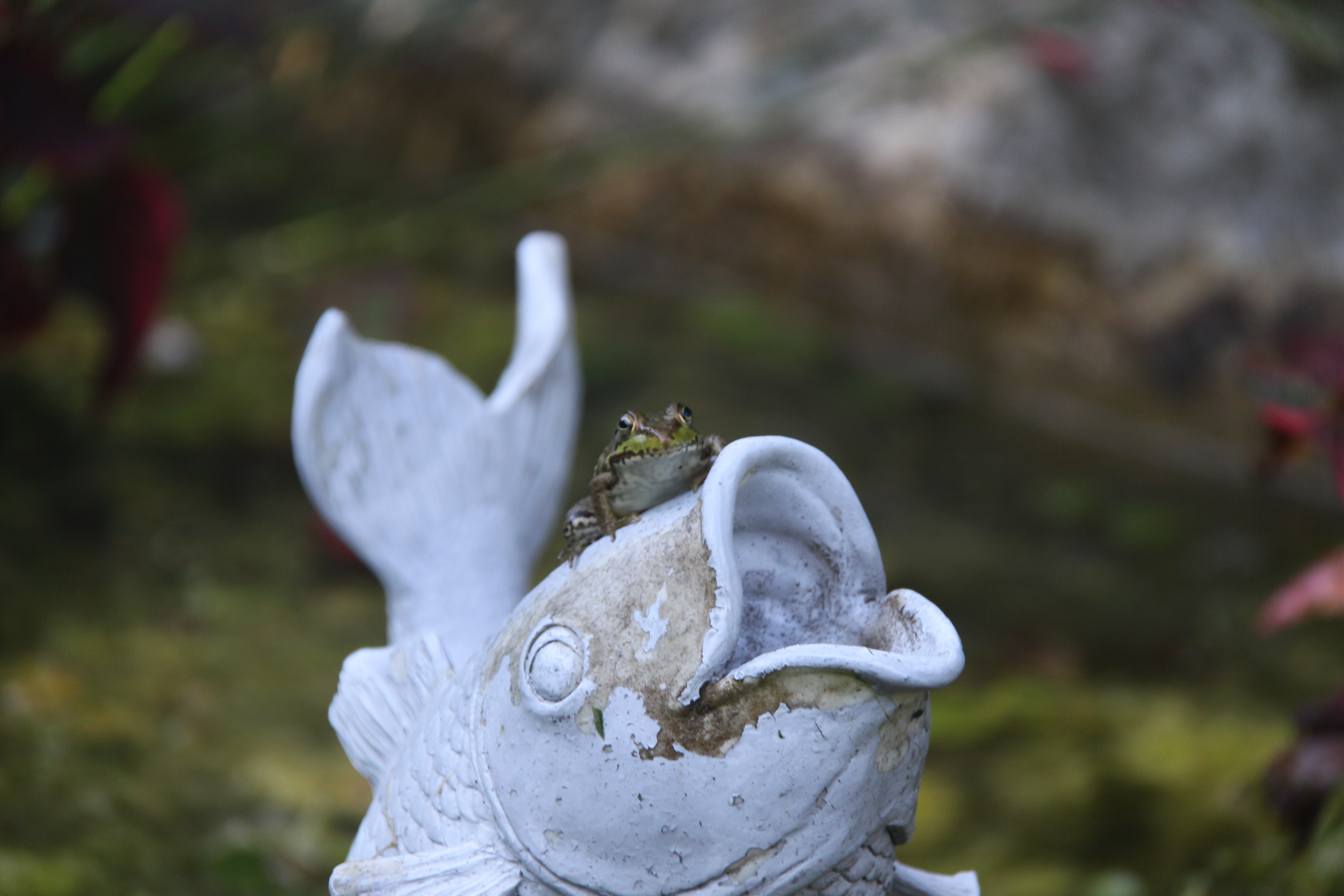
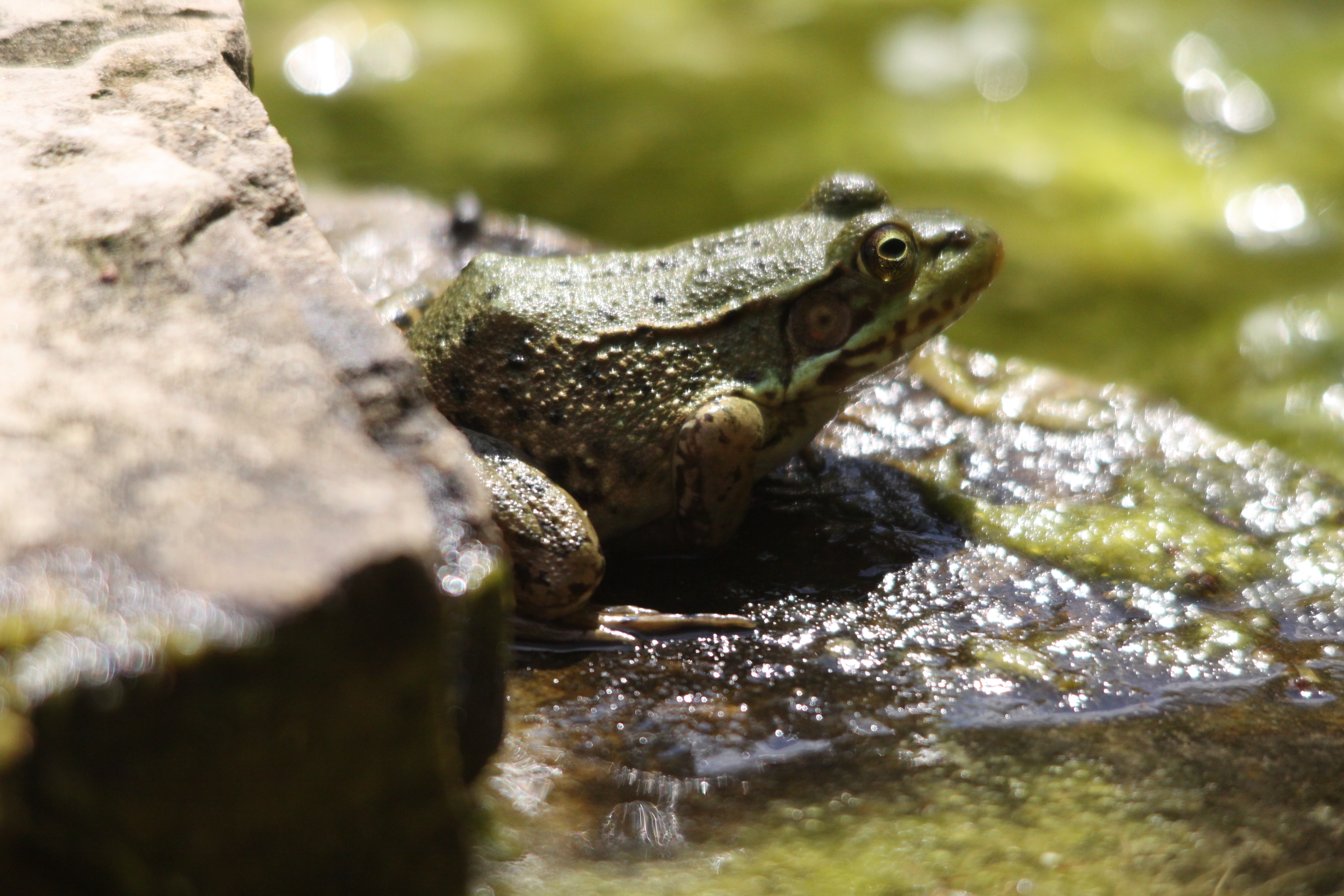
Had an interesting summer of garden creatures this year. The same toad that lived in a pot on the deck last year (see June 2012) came back. He picked a different pot, but it was the same chubby guy, climbing the deck stairs to get to where he wanted to be. 

We also had a family of 5 frogs move into the pond. We’ve had the odd summer where we see one or two, but this was the first time we’ve seen 5 at once. At first they looked like they might have the markings of the Northern Leopard Frog, but I believe they are your basic Green Frog. Hope they return next year….and I hope our very spoiled pet toad does as well!

Image


Image


Leave a comment

The Apple Tree is Back

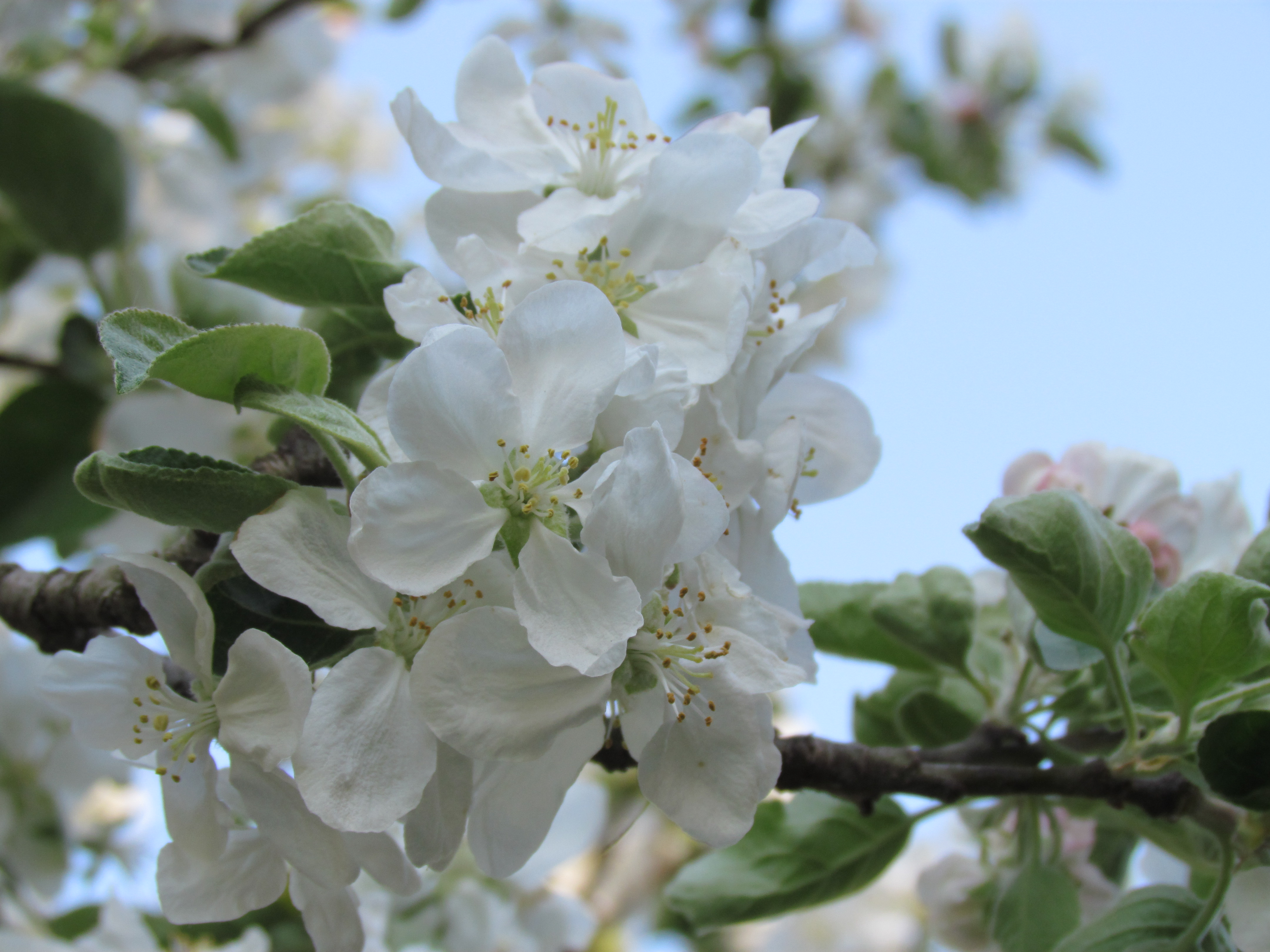
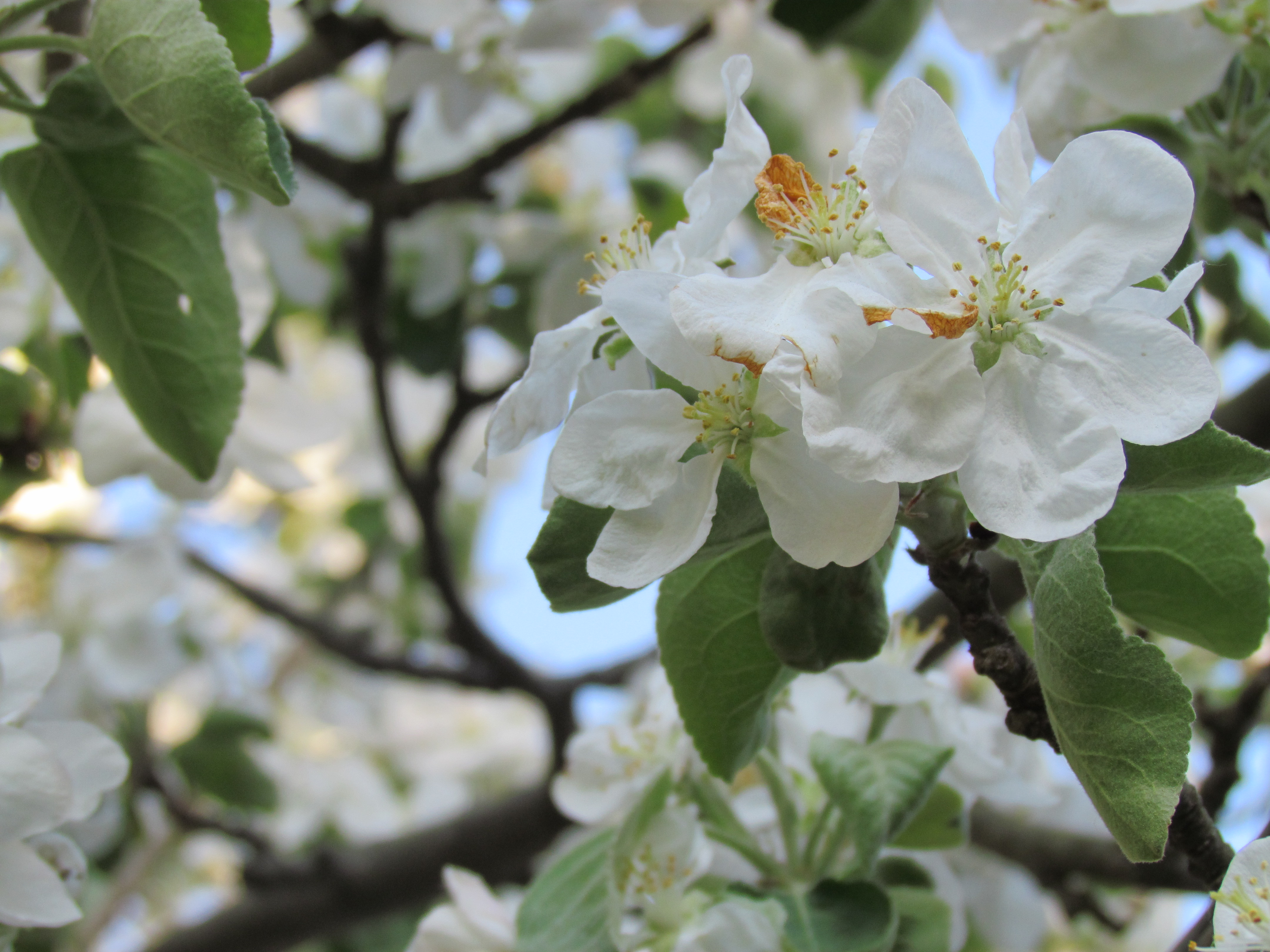
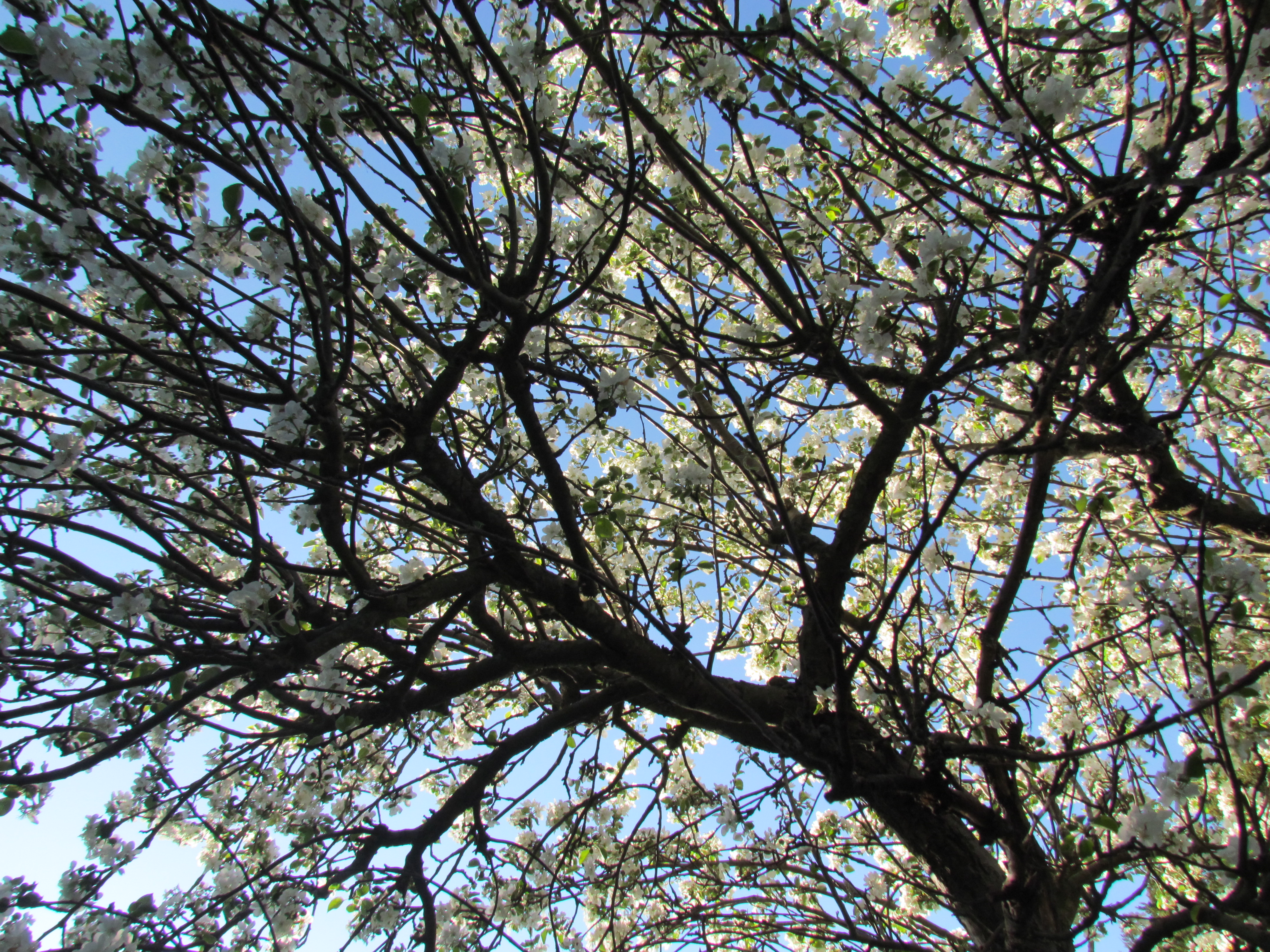
We have an apple tree. Not sure what kind it is, but the apples are small, green and sweet.

Oh…and  overnight the raccoon’s enjoy taking one bite out of as many as they can and leaving the rest behind for us to clean up.

The past few years we’ve had limited or no blooms and no apples. Reasons – two years of apple/cedar rust, a couple of late frosts that killed the blooms, bizarre winters – but this year, Mother Nature did what she should, and the blossoms have been incredible – and  for the first year, in the 8 that we’ve been at this property – unbelievably fragrant.

Here’s a few shots:

Image

Image

Image


Leave a comment

Spring Garden Chores!

Yes, it’s that time again. Spring clean up. And we all know we need to clean up the winter debris, rake the leaves, clean out the pond, get the compost going again and clean and sharpen the tools….

But there’s a few other things we should do in spring to make sure the garden looks it’s best all summer long.

Apply slow-release fertilizer to flowering shrubs and vines, including roses, rhododendrons   clematis. Many vines and climbers are heavy feeders and a little extra boost right now will help them remain strong and colorful.

Give summer-flowering bulbs, such as cannas and dahlias, a  head start by potting indoors   under lights until after the last frost date. Then there’s no more waiting until July for blooms – you’ll see some in May and June.

Divide mature perennials such as phlox, showy stonecrop and bee balm as they begin to   sprout, before temperatures get too high. (And if you don’t have anywhere to plant   them, donate them to your horticultural society or garden club for their spring fundraising plant sale!)

Pull out weeds as they appear – will prevent them from seeding and multiplying. A little diligence now goes a long way with weed prevention.

Watch for any plants that have been pushed up by the frost and secure them back into the   ground. The sooner, the better – before the roots dry out and the plants begin to struggle.

Fix any mounds of dirt left by tunneling critters over the winter – with the soft soil of spring, the   area can become unsafe.

Happy Spring Clean Up!


Leave a comment

2013 Perennial Plant of the Year

The 2013 Perennial Plant of the Year was recently announced –

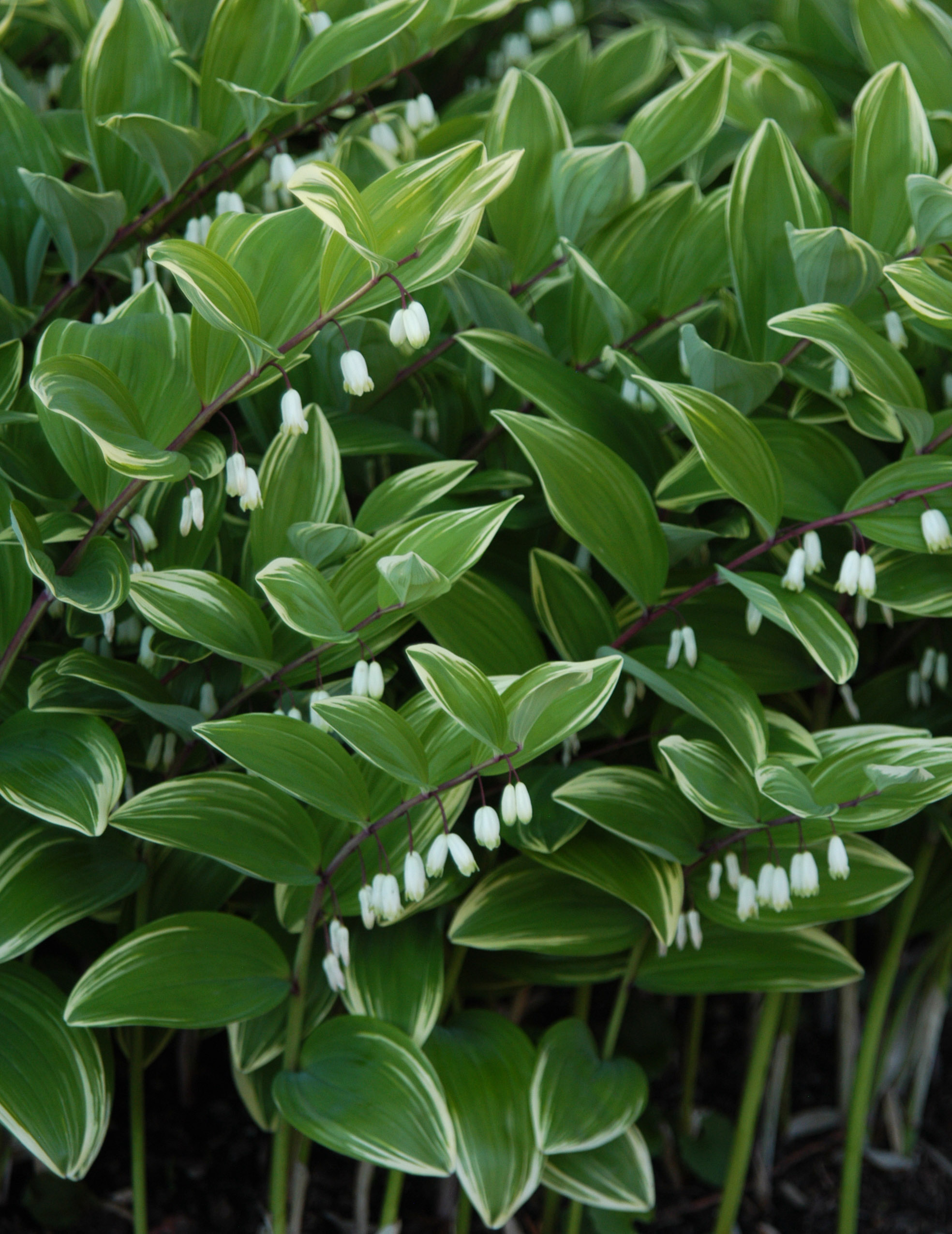
Polygonatum odoratum ‘Variegatum’, or more commonly known as Variegated (or Striped) Solomon’s Seal.

Solomon’s Seal is a stunning spring-to-fall, low maintenance tall foliage plant suited to areas with shade or partial shade. Sprouting small greenish-white flowers in late spring, the bright green foliage displays creamy white edges throughout the growing season, turning yellow into the fall months, and may develop small blue berries. 

Solomon’s Seal (both plain and variegated) grow to 24 inches tall and are spread by rhizomes to form colonies of bright color all summer long.

Solomon’s Seal nicely complements other shade plants like hostas, astilbe and fern to create a striking but serene woodland garden.

Requiring little care other than moist soil conditions and shade, Solomon’s Seal is hardy in  USDA Zones 3 to 8. 

Wonder if the garden centers are open yet……


Image


Design a site like this with WordPress.com
Get started