gardenchatter

Garden adventures, thoughts and ideas…


Leave a comment

April Showers Bring…Purple Dead-Nettle?

If I could make money selling purple deadnettle (Lamium amplexicaule) I could retire tomorrow. The wonderful April showers, that as we all know, will bring May flowers, have also brought a plethora of purple deadnettle. I’m not sure I’ve ever seen quite this much in one place.
 
Also known as henbit, dead-nettle is a member of the mint family and forms groundcover mats very early in the season. An annual weed, It sports fuzzy, spade-shaped leaves and delicate purple-pink flowers. Unlike most nettles, this one doesn’t sting – hence the name “dead”.
 
Each plant grows to 40cm / 15″ tall, has a very shallow root system and develops around 200 seeds (yes, each plant). So pull these early spring darlings out as soon as you can – or it might become a full-time job!


Leave a comment

How To Prevent Damping Off in Seedlings (now that garden season is in the air!)


Nothing is quite as frustrating for home gardeners as the joy of seeing newly planted seeds begin to sprout and flourish one day and then discovering them collapsed and wilted the following day.  Damping off is a fungal or fungal-like disease that makes seemingly healthy seedlings suddenly topple and die or, at times, never emerge at all. Although damping off is usually fatal, it is preventable. With a little attention to detail combined with good planting practices, your young seedlings will continue to grow into the healthy plants you want them to be.

The Cause

A number of pathogens live in soil, just waiting for the right conditions to occur before they step forward. The common pathogens that cause damping off are Rhizoctonia, Pythium, Fusarium and Phytophthora. They all develop and thrive in poor soil and less than ideal environmental conditions.

Soil Conditions

Use a good-quality, soilless potting mix to start your seeds. Fresh potting soils are typically free from harmful organisms, and the nature of the mixes provide good drainage, another important factor in reducing the risk of damping off. Soggy soil encourages fungal or fungal-like growth. Keep opened bags of soil away from floors and other unclean surfaces that could transfer contaminants into the clean planting medium. When planting, place seeds at the soil depth indicated on their seed packet. Planting seeds deeper than required in any soil may slow their germination process and ultimately damage the seeds.

Humidity

Good air circulation and room ventilation are other factors in reducing the humidity buildup that promotes pathogen growth; do not crowd pots or flats, or the seeds when placing them in those containers. As they begin to grow, thin seedlings — or remove some seedlings — according to the seed package directions to keep air adequately flowing around them, which reduces the amount of moisture on the plants. In order to thin seedlings, snip or gently pull out crowded seedlings, leaving the seed package direction’s required spacing between those that stay in the containers.

Temperature and Water

Cool soil temperatures before the seeds begin to germinate promotes the risk of damping off. Help ensure healthy seed germination by keeping the soil at a consistent temperature of 70 to 75 degrees Fahrenheit during the seeds’ entire early growth period. Keep the seeds and shoots evenly moist but not waterlogged until the risk of frost passes and weather conditions are favorable to move the growing seedlings into an outdoor garden.

Other Considerations

Many pathogens, including those that cause damping off, are transferred to new plantings via garden tools. Before working with plants and soil, or after contact with any disease, rinse your tools with a weak solution that is one part bleach to nine parts water. Leave the solution on the tools for at least 15 minutes, rinse it off and air-dry the tools. Planting seeds in new pots and flats as often as possible prevents contamination. If, however, using new pots and flats is not an option, sterilize the old containers along with your tools. Wear eye protection and gloves when cleaning pots and tools.


Leave a comment

Lacy Hearts Chinese Hydrangea Vine

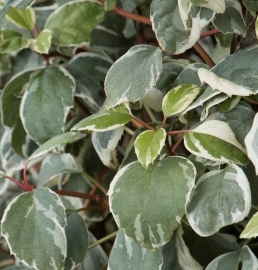
Lacy Hearts
Came across a very interesting, but apparently rare, new hydrangea vine – Lacy Hearts.

Lacy Hearts foliage is stunning – olive green, heart-shaped leaves that are edged in ivory. Small white flowers present a showy display in late summer.

Lacy Hearts needs plenty of water, particularly during hot spells and because of it’s shade tolerance would grow well in a woodland garden setting. It’s also suitable for creating a colorful privacy fence and would perform well if grown on a north or east-facing wall.

It’s fairly slow growing though but will ultimately sprout up to 15 feet.

A deciduous self-clinging vine (doesn’t need support or to be grown on a trellis), Lacy Hearts will survive in zones 6 to 9. There’s some discussion as to whether my area is 5, 5b or 6a, so if I can find this unique little hydrangea at any of the local garden centers, I might just give it a try in an area well protected from harsh winter winds. Most hydrangea vines grow just fine in zone 5+.

Other Chinese hydrangea vines with unique foliage include ‘Red Rhapsody’ – new foliage growth is red, ‘Rosea’ – bright pink sepals and ‘Moonlight’ – blue leaves with dark green veins.


2 Comments

Dandelion – Weed or Wonder?

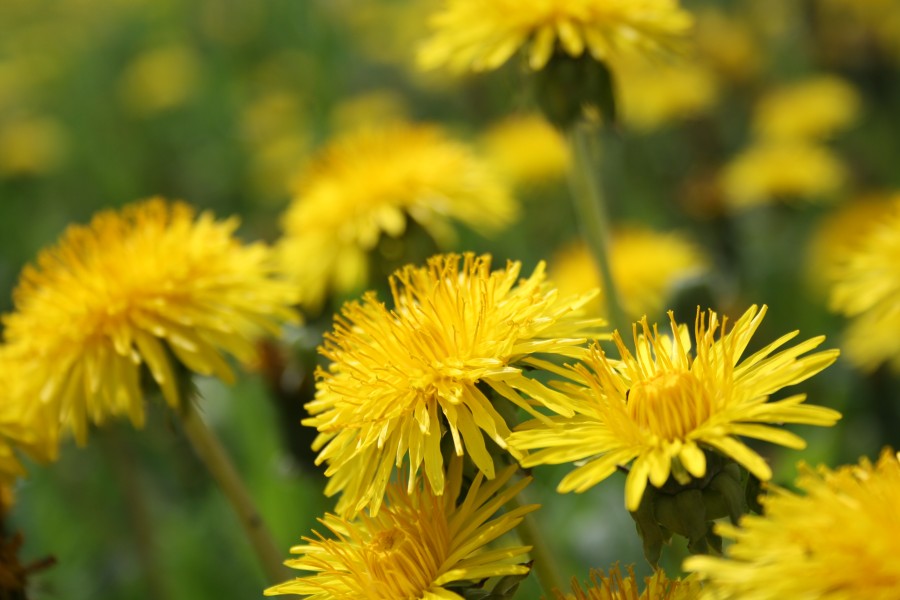
1319106_81668957-900x600

Steep the plant for a refreshing, detoxifying tea. Make an energizing breakfast smoothie. Add the leaves to salad greens for an impressive vitamin boost. Make a soothing cream soup, or boil the roots to create a supportive liver tonic. Any way you pull it, this misunderstood and unwelcome harbinger of spring packs a punch when it comes to overall health benefits.

A flowering herbaceous perennial native to Europe and Asia and believed to have evolved roughly thirty million years ago, the dandelion (Taraxacum officinale) was introduced to North America by early colonists in the 1700s. Quickly acknowledged by the native people as a beneficial herb, the dandelion has been utilized since that time for both its medicinal and nutritional benefits. The Greek botanical taraxacum, meaning, “remedy for disorders” indicates that the dandelion has a long history as a beneficial plant, and the designation “officinale” refers to its value as a recognized medicinal herbal remedy. Common folklore names include Irish daisy, blow ball, bitterwort, wild endive and pissabed, the latter likely due to its diuretic properties.

The name “dandelion” is derived from the French “dent de lion” – tooth of the lion, referring to the irregular, jagged tooth-like edges along the plant leaf. The dandelion leaves are basal (sprouting from the base of the plant) and grow 5 to 40 cm long. The longest blooming of any perennial, the round, bright yellow flower is comprised of hundreds of small florets to create one single flower head, which sits atop a hollow, leafless stem that can grow from 10 to 20 cm high. As the flower fades, the dandelion develops a round seed head, complete with white, feather-like tufts to carry the more than 200 seeds per head along with the wind to a new home. The fleshy taproot grows up to 45 cm deep into the ground, helping to aerate the soil and bring nutrients up to surrounding vegetation. Fast-growing, adaptable and very hardy, the dandelion will sprout in any soil type, in full sun to part shade, in any hardiness zone except those with temperature extremes. Reproduction is by seed only.

The dandelion has more nutritional and medicinal uses than any other common garden weed, and the entire plant contributes to both. Nutritionally, dandelion greens are high in vitamins A, B and C, protein, omega 3 fatty acids and iron, and also contain potassium, calcium, magnesium, zinc and fibre. Medicinally, the roots can be boiled and the broth used as a drink or tincture to aid in the cure of liver infections and kidney stones, and the juice taken from the stem and leaves can remove warts, reduce calluses and relieve sores. The plant, when eaten helps to cleanse and detoxify and has strong diuretic properties. The leaves, when cooked help to treat various skin conditions including acne and eczema, and the entire plant contains antioxidant properties and helps boost the immune system. Not a single part of the dandelion goes to waste.

With all this in mind one cannot help but wonder why the dandelion is tops on the most loathed garden weed list, rather than revered for the truly beneficial herb and stunning summer flower that it is. Gardeners yearn for blooms that show their brilliant shades for weeks – the dandelion does just that. The deep taproot aerates the soil and the flowers feed bees. Consumer’s travel to the store to pay for healthy greens that Mother Nature delivers, and millions take medications that could be replaced by dandelion roots, leaves or stems.

If dandelions were endangered, would we show this plant more respect and embrace its benefits, enjoying the long-lasting blooms and health offerings provided? If it were a pricey restaurant entree, would we rethink the never-ending spring weeding rituals and stop looking for effective, but dangerous herbicides? Would the perfect lawn continue to be a priority, or would we realize we have a free and delicious source of optimal health right at our fingertips?

Perhaps then, we might also recall the fun of this much-loved childhood plant and instead of attempting to destroy it, pick up the round, puffy seed heads, blow them onward, and make a wish for more.


Leave a comment

Spring Garden Chores!

Yes, it’s that time again. Spring clean up. And we all know we need to clean up the winter debris, rake the leaves, clean out the pond, get the compost going again and clean and sharpen the tools….

But there’s a few other things we should do in spring to make sure the garden looks it’s best all summer long.

Apply slow-release fertilizer to flowering shrubs and vines, including roses, rhododendrons   clematis. Many vines and climbers are heavy feeders and a little extra boost right now will help them remain strong and colorful.

Give summer-flowering bulbs, such as cannas and dahlias, a  head start by potting indoors   under lights until after the last frost date. Then there’s no more waiting until July for blooms – you’ll see some in May and June.

Divide mature perennials such as phlox, showy stonecrop and bee balm as they begin to   sprout, before temperatures get too high. (And if you don’t have anywhere to plant   them, donate them to your horticultural society or garden club for their spring fundraising plant sale!)

Pull out weeds as they appear – will prevent them from seeding and multiplying. A little diligence now goes a long way with weed prevention.

Watch for any plants that have been pushed up by the frost and secure them back into the   ground. The sooner, the better – before the roots dry out and the plants begin to struggle.

Fix any mounds of dirt left by tunneling critters over the winter – with the soft soil of spring, the   area can become unsafe.

Happy Spring Clean Up!

Design a site like this with WordPress.com
Get started