gardenchatter

Garden adventures, thoughts and ideas…


Leave a comment

Springtime Wisteria Poppers

Wisteria


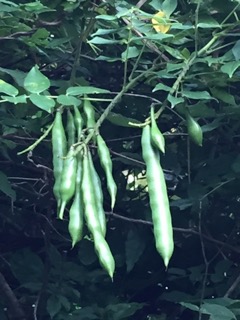
As I was working away at fall cleanup late last year, I saw was I thought was leftover pole beans meandering through the wisteria. Upon closer inspection I realized that these “hanging beans” were actually growing right from the wisteria vines.

Wisteria is a flowering, climbing vine that develops unique and vibrant purple flowers each spring, and as the season moves along, 4-6 inch seedpods that are almost undetectable within all the foliage. The pods turn brown as they dry on the vine and once that drying process is complete, these pods become quite interesting.

Now, having any plant grow seeds or pods is certainly not a new concept, but how wisteria disperses its seed is quite unique. It’s explosive. Literally. The wisteria pod actually bursts open and “throws” its seed away from the existing plant.

Wisteria’s become very thick and full over time, so new seedlings need space to grow without being crowded by the parent plant, therefore, they fling themselves away to start a new vine of their own – and make quite a commotion while doing so. Think “popcorn”.

We’re still a few weeks away from spring – prime pod popping time, and as the snow starts to melt and temperatures rise, I’ll be out there waiting (from a distance, so I don’t get hit!) for the show to begin.

Here’s a YouTube link that very clearly (and loudly!) demonstrates how these seedpods pop (shown with authors permission). Who would have thought a graceful, flowing, flowering vine could be so entertaining!


Leave a comment

Lacy Hearts Chinese Hydrangea Vine

Lacy Hearts
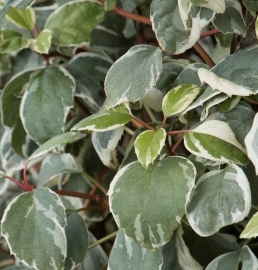
Came across a very interesting, but apparently rare, new hydrangea vine – Lacy Hearts.

Lacy Hearts foliage is stunning – olive green, heart-shaped leaves that are edged in ivory. Small white flowers present a showy display in late summer.

Lacy Hearts needs plenty of water, particularly during hot spells and because of it’s shade tolerance would grow well in a woodland garden setting. It’s also suitable for creating a colorful privacy fence and would perform well if grown on a north or east-facing wall.

It’s fairly slow growing though but will ultimately sprout up to 15 feet.

A deciduous self-clinging vine (doesn’t need support or to be grown on a trellis), Lacy Hearts will survive in zones 6 to 9. There’s some discussion as to whether my area is 5, 5b or 6a, so if I can find this unique little hydrangea at any of the local garden centers, I might just give it a try in an area well protected from harsh winter winds. Most hydrangea vines grow just fine in zone 5+.

Other Chinese hydrangea vines with unique foliage include ‘Red Rhapsody’ – new foliage growth is red, ‘Rosea’ – bright pink sepals and ‘Moonlight’ – blue leaves with dark green veins.


Leave a comment

Pixie Cantaloupe

Wow, what a great gardening season it’s been this year. With regular rainfall and warm temperatures, everything is bursting with fresh produce. This is the best tomato year so far, and my first time trying “Pixie Cantaloupe” was outstanding. Definitely one I would grow again.

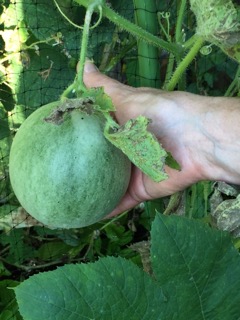
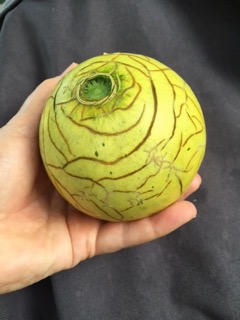
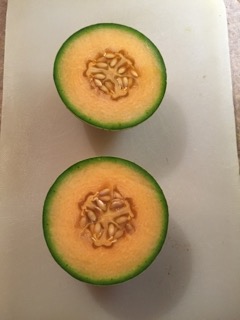
This compact, palm-sized hybrid melon weighs in at roughly 1.5-2 pounds and the fruit is deliciously sweet and juicy. With a small seed cavity and plenty of bright orange fruit, it’s the perfect size for a hot afternoon snack. And it’s just fun to grow – bizarre looking, however, when mature.

It’s ideal in locations with a shorter growing season. I’m in zone 5. These went in the ground June 1st and we’re harvesting now. They are typically 70-75 days.

I grew these “up”. They take up a lot of room once they get going, the fruit is small, but the vines meander. These are on a trellis with bird netting to allow the delicate tendrils to curl into the netting and grow up the trellis.

On the vineOn the vine

RipeReady to harvest – looks like a creepy eyeball

InsideReady to eat!


Leave a comment

Upside Down Tomato Planters

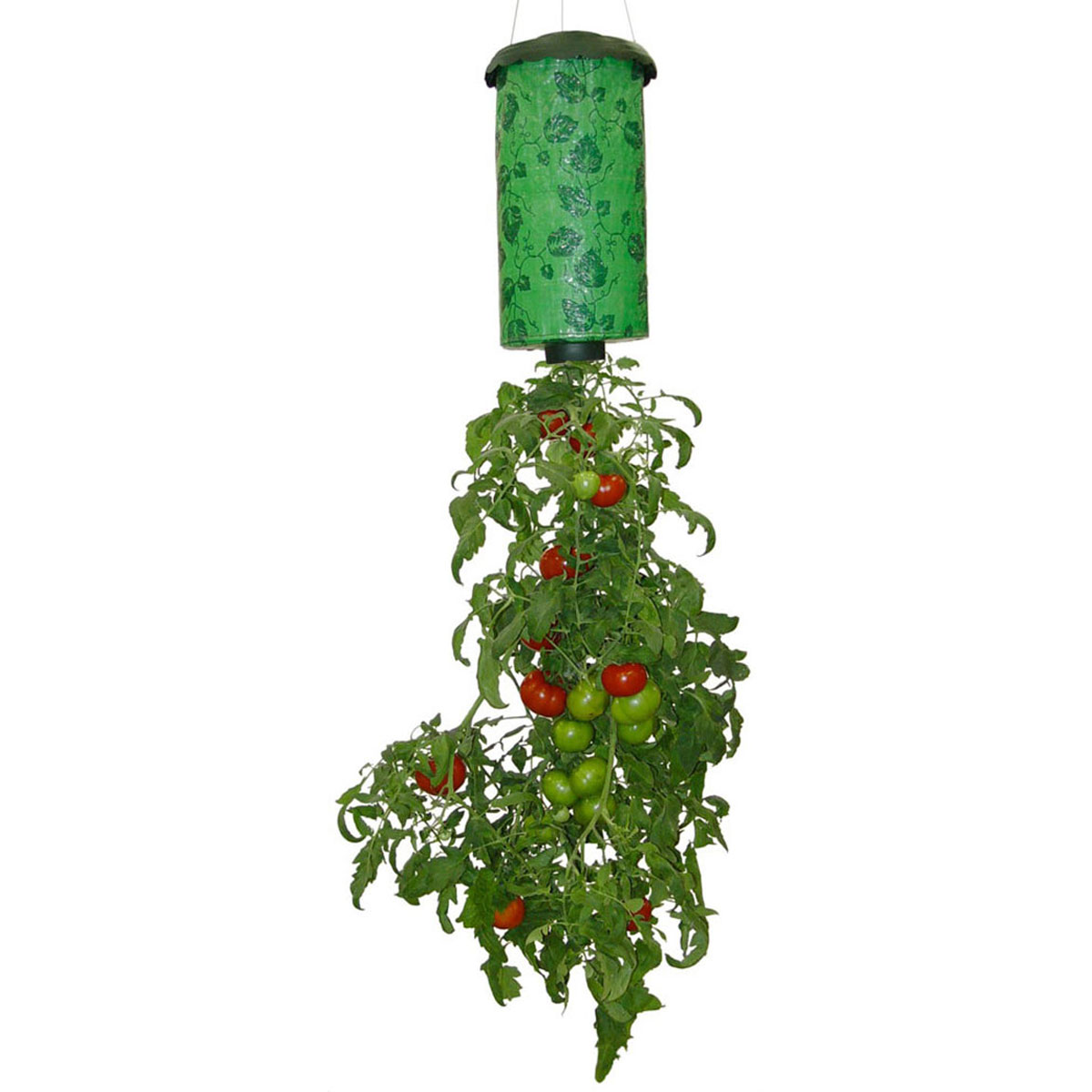
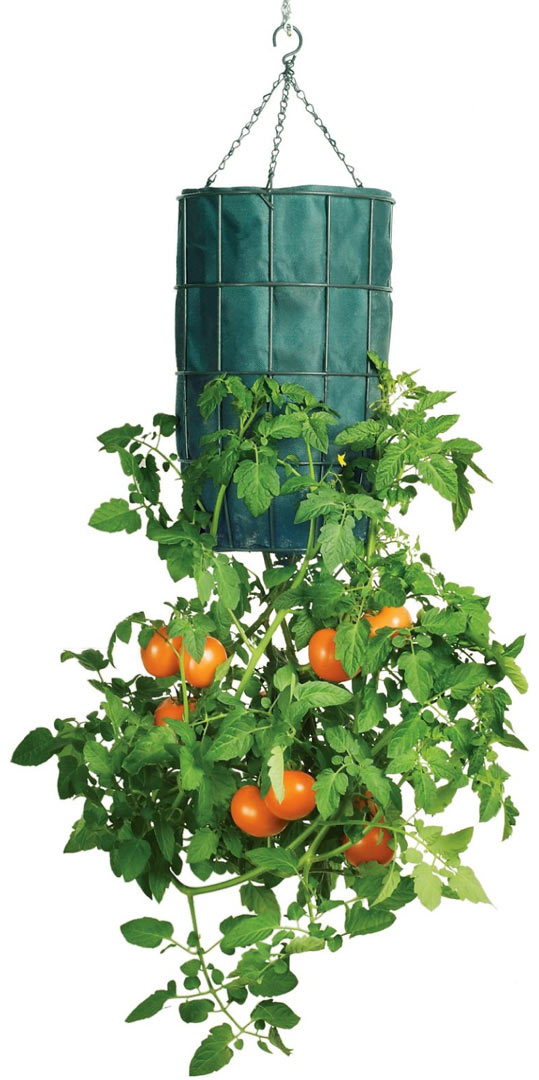
Have you ever tried those upside down tomato planters? I grew tomatoes in a couple last year for the first time and was quite impressed with how well they worked. We had an outstanding “upside down” tomato crop . I can’t help but think that the heat that built up in the bag contributed to the abundance of large, heathly tomatoes that grew. Tomatoes love the summer sun – and heat. However, with being in the bag, they do need water every day during the summer; the soil will dry out quickly.

These planters are great. You can hang them on a wall, fence, post, true plant hanger…anywhere that has good support (they get heavy) and plenty of sun. Upside down planters are also perfect for balcony gardens or anywhere that space is limited – or if using a Sheppard’s hook type of plant hanger, they will fit in any garden bed you have and not interfere with the plants growing down below.

I’ve picked up a few more and now have six for the upcoming tomato season. The tomato of choice for them this year? Tumbling Tom. It just seemed to make sense.

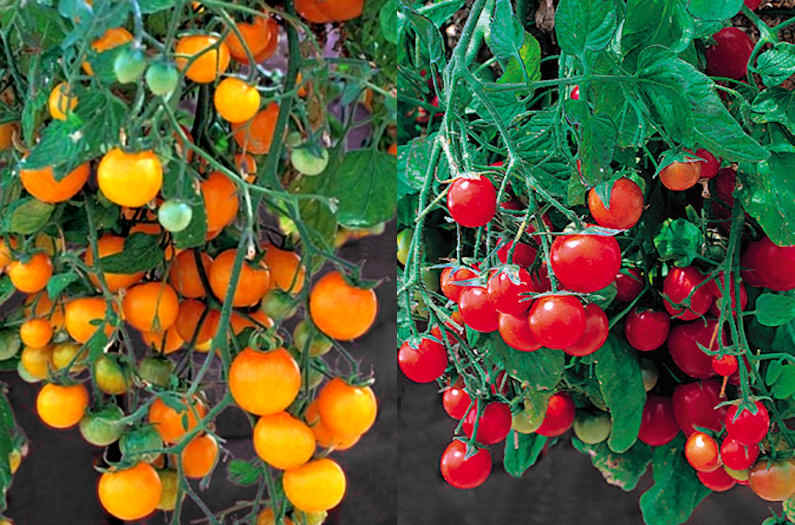
Tumbling Tom is recommended for hanging baskets and I believe it will be a top performer in an upside down planter. It has a compact, trailing growth habit that develops waves of sweet, juicy, bright red (or yellow) cherry tomatoes that keep coming all summer long. If you prefer growing tomatoes in containers, Tumbling Tom will work perfectly.

As of right now I have two flats of 1″ Tumbling Tom sprouts (just came up this week) growing in the greenhouse that I expect will look like the pictures at the bottom by August!  Stay tuned…..

topsy-turvy-tomato_2revolution-upside-down-tomato-planter-1

TOm 4tom 3


Leave a comment

Cranesbill Geranium x cantabrigiense ‘Biokovo’

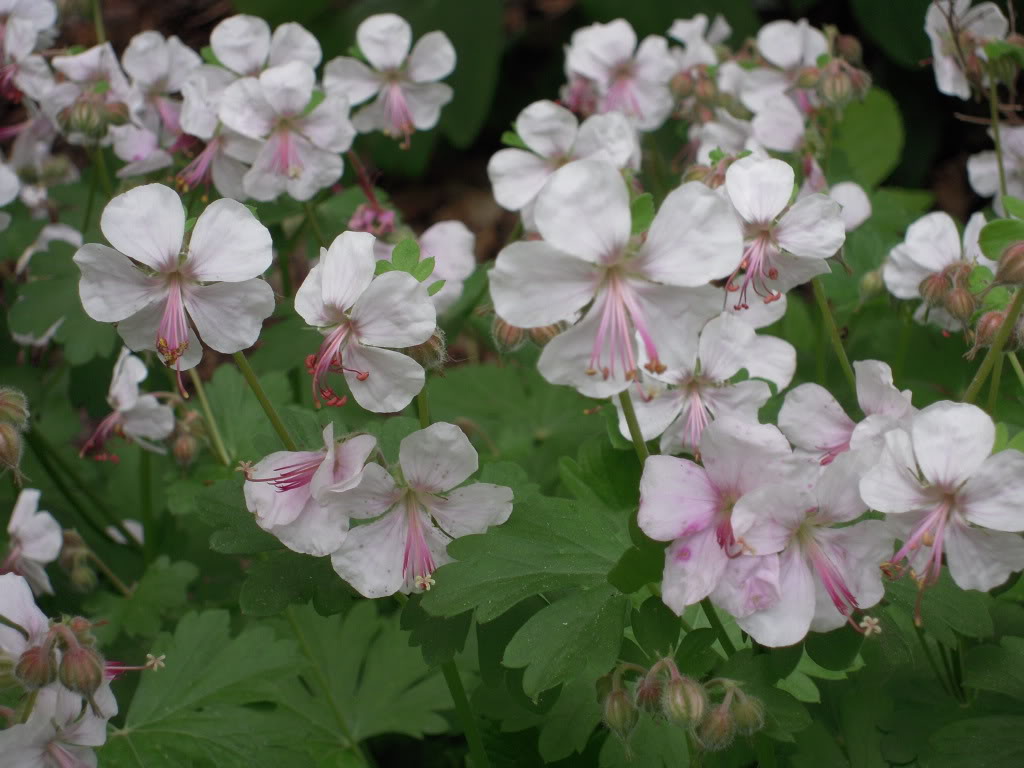
The Perennial Plant Association has announced its “2015 Perennial Plant of the Year” – Geranium x cantabrigiense ‘Biokovo’.

DSCN0168

Family: Geraniaceae

Genus: Geranium

Species: x cantabrigiense

Cultivar: Biokovo

A stunning addition to any garden, Cranesbill ‘Biokovo’ is a low-maintenance, long-blooming hardy geranium. It will grow well in full sun and part shade to a height of 12 to 18 inches and up to 36 inches wide. It will not bloom if planed in full shade.

With dark green foliage and light pink blooms, ‘Biokovo’ plant will provide delicate color form early spring right through to late summer.

Occurring naturally in Croatia’s Biokovo Mountains on the Dalmation Coast of the Mediterranean, ‘Biokovo’ has a medium growth rate, will adapt to most soil types and performs well in borders, edgings, alpine plantings, containers or when used as a ground cover. It’s even deer and rabbit resistant!

This plant is quite drought resistant once established, easy to split in either the spring or fall and is hardy from zones 5a (-28.8°C/-20 °F) to 9a ( -6.6 °C/20 °F).

Geranium trivia – Cranesbill geraniums get their name from the shape of the seed – it’s actually quite similar to the beak-like appearance of a cranes bill.


Leave a comment

Amaryllis Part 2

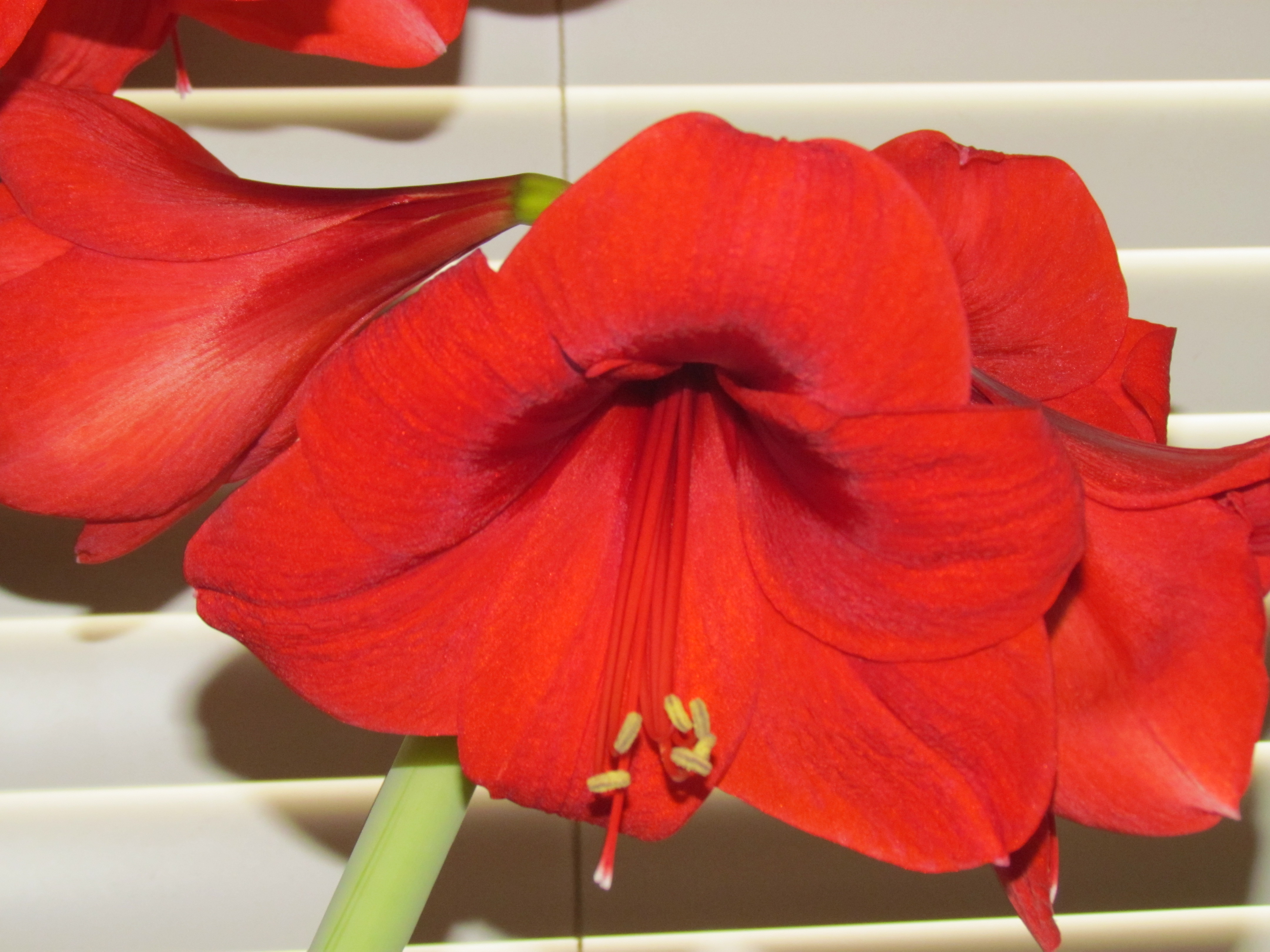
Success! Within a week, the bulb began to sprout and within four, the plant began to bloom. It looks great.

This one developed two stalks and there is a third one on the way.

IMG_2209IMG_2219IMG_2217

Now – how to get these to bloom again next year…

1) Keep it cool throughout the blooming period, 60F, and limit the water.

2) Cut the stalks just above the top of the bulb once the floral display is over.  A sappy fluid may run out of the top after cutting, but that just indicates the plant was well watered and is normal.

3) Increase fertilization, light and water. Now it’s in the growth stage and leaves will develop to help feed the bulb for the following year. Find a bright spot, fertilize monthly with a water soluble and keep it damp but not waterlogged.

4) Once the risk of frost is over for your area, move the amaryllis outside. Some leaves may drop off due to the adjustment from indoors to out, but more leaves will soon begin to develop. Keep it in a sunny spot, and continue to water it regularly. Don’t let it dry out.

5) For holiday blooms, the dormant period needs to begin late September (or adjust the dormant period according to when you would like to see blooms). Stop watering and fertilizing, cut the foliage off and move the plant to a cool area – 55F tops.

6) Keep it there until it shows signs of getting ready to grow again. Water lightly, but keep the bulb on the dry side. After about ten weeks of cool storage, new flower stalks will start to emerge.

7) Repot (or not, but either way add some fresh potting soil) and with any luck, you’ll enjoy the same floral show that you experienced the previous year.


Leave a comment

Amaryllis

This time of year, amaryllis (Hippeastrum spp.) kits just seems to pop up everywhere, so I decided to finally give it a try.

Amaryllis is easy to grow, low maintenance and provides spectacular blooms during the cold, and sometimes dull, days of winter. So until I can get back outside and play, amaryllis bulbs will be my winter garden project.

Now available in a wide range of colors, the amaryllis originated in South Africa where it continues to grow wild in some areas. Back in the 1800s amaryllis bulbs were quite rare and very costly, but over time hybridizers have created a whole new flock of interesting and inexpensive amaryllis bulbs.

All you need to do is plant the bulb in a good, clean potting soil, leaving the top third of the bulb exposed. I like this one below. When purchased, it comes complete, ready to plant in a plastic lined burlap “pot” with a bag of both potting soil, and sphagnum moss to add a decorative touch and act like a mulch – a nice gift for those that enjoy gardening.

The second picture shows the bulb slightly sticking up through the centre of the moss.

IMG_2187IMG_2189

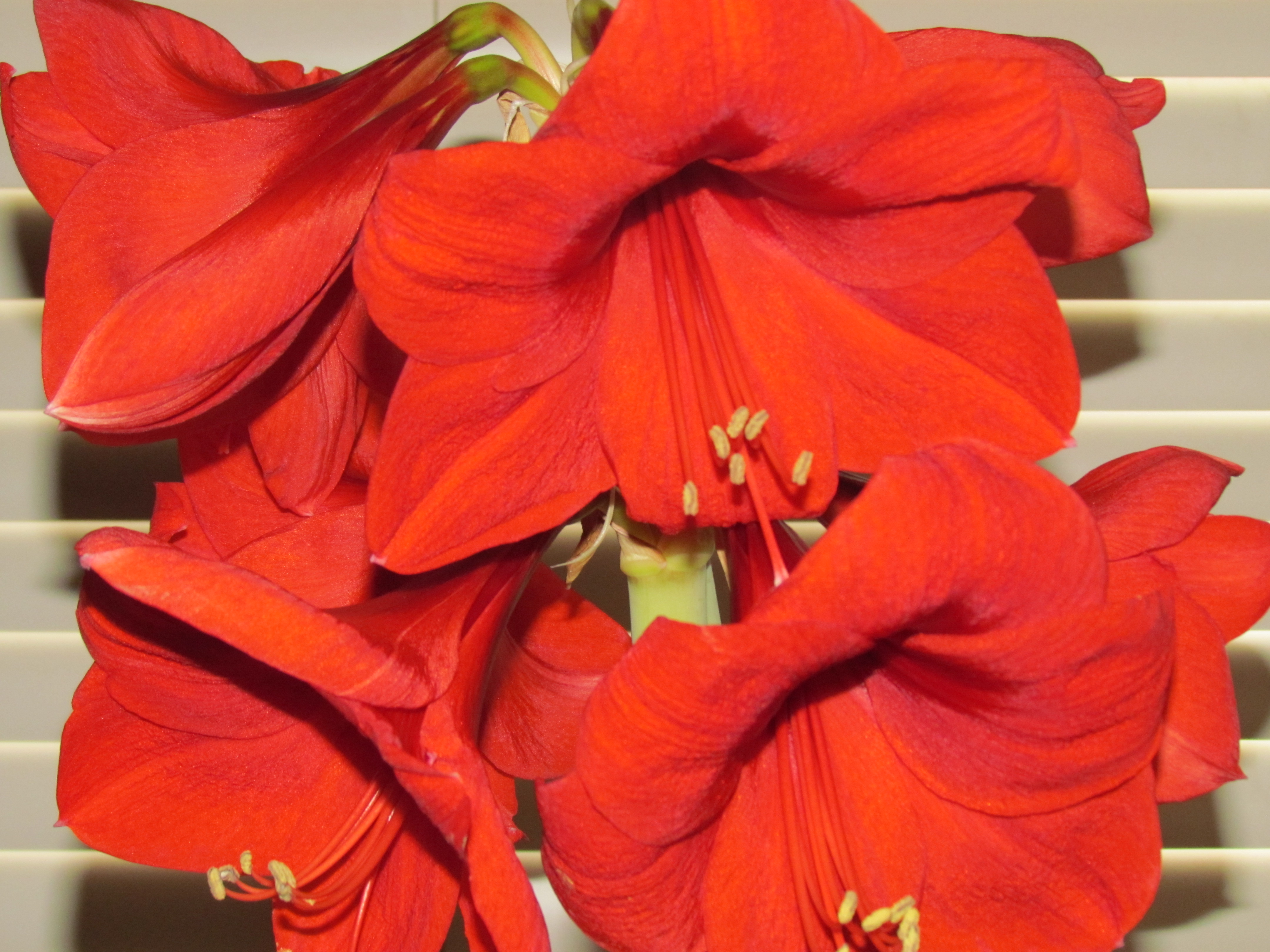
Now all I have to do is water it now and again without overdoing it and in a few weeks I’ll have a stunning floral display. I chose Red Lion – not one of the more unique colors, but I love the vibrant, fire-engine red of the flower. In a few weeks, it should look like the one pictured below – I’ll post it’s progress as it grows.

Unknown

Keep the amaryllis in a bright spot while growing, but avoid direct sunlight when blooming. Don’t place them in a south facing window; the heat may scorch the plants.

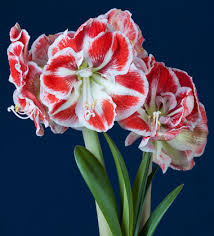
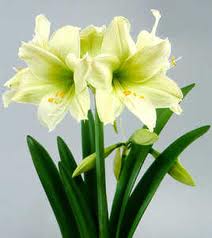
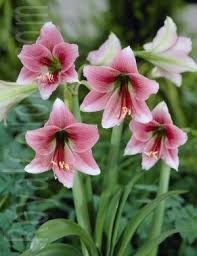
Here’s a few interesting amaryllis flowers:

Samba                                                       Lemon Lime                                    Misty

123

Amputo                                                   Monte Carlo                                        Orange

                                                                                                                                     Sovereign

457


Leave a comment

Tomato Harvest

IMG_2186

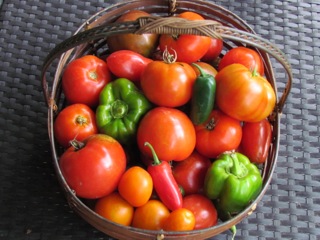
I had an exceptional tomato season this year. All grown from seed, I tried a few new ones and stuck with some old favorites. The winners? Juane Flamme – this one is my favorite. It’s a non-stop producer with fabulous flavor. Grew two beefsteaks this year – Big Beef (outstanding!) and Black Krim (I was told by someone it’s the best tomato they’ve had). 

The cherry’s didn’t do as well as I had hoped, but I may have had them too crowded. However, there was still plenty to go around. 

The picture above is from an evening veggie harvest – there’s nothing quite like walking around the garden at the end of the day collecting dinner.

The tomatoes were started in the greenhouse the first week of April and went into the garden the first week of June. Planting was later than usual this year due to a very (very!) long winter and late start to spring. 

Overall the vegetable gardens did quite well, but as always, the tomatoes are my pride and joy. 

Here’s a list of what was grown this year and their features:

Big Beef – Large/Beefsteak

An All-America Selections Winner, Big Beef is often considered the finest all-around tomato for the vegetable garden. It’s extra meaty with a true homegrown flavor and just the right balance of sugars and acids. Big Beef produces extra large, “beefy” fruit and these large, vigorous plants are quite manageable when staked or grown in large cages. These tomatoes need plenty of water, and prefer six hours or more of direct sun each day.

Black Krim – Large Beefsteak

One of the best black tomatoes. Rich, sweet complex taste with a hint of saltiness. These beefsteak tomatoes are mahogany coloured with green shoulders and green gel around the seeds. The slices are beautiful in a tomato salad. Yield is high. Water evenly to reduce concentric cracking.

Japanese Black Trifele – Large-Medium Pear Shape

Pear-shaped fruit has green-streaked shoulders, deepening to a burnished mahogany and finally to a darkened, nearly black base. The meaty interior has similar, opulent shades and an incomparable, almost indescribably complex and rich flavor to match. The fruit reach 2 1/2-3 inches long and wide and are very crack-resistant. Despite the name, this tomato has its origins in Russia. This one didn’t work well for me, only ended up with a few.


Juane Flamme – Medium (A larger cherry size)

A French Heirloom salad tomato with persimmon orange skin and flesh. They almost look like an apricot. Plants are incredibly productive and early, and the flavour of Jaune Flamme is amazing. It’s full bodied with a hint of citrus. My favorite.


Container Bush – Cherry

This scrumptious hybrid is specially bred for high yields of heavy fruits with juicy-sweet, rich tomato flavor on space-saving 3 foot plants. Perfect for pots and patio containers. However, this plant is determinate (fruits appear once throughout the season) vs. indeterminate (produce fruit throughout the season).


Black Cherry – Cherry

Heirloom cherry tomato with a rich mahogany-purple color and sweetly complex flavor. The round, 1-inch fruits grow in abundant heavy clusters on vigorous, fast growing indeterminate plants.

Isis Candy – Cherry

Bicolor rose-red fruits with yellow-gold marbling have delicious flavor that is wonderfully rich and fruity, not just sugary sweet. Strong, productive vines. I’ve read it’s a consistent top cherry winner at heirloom tomato tastings.

Leave a comment

Egyptian Onion

Egyptian1

A few years ago a friend gave me an Egyptian onion to add to my garden. I honestly didn’t know what to do with it, so I planted it among the perennials and waited to see what it did. After watching it grow and develop I decided to do a little research. And I’m sure glad I did – now we’re enjoying these onions in the kitchen!

Here’s what I’ve learned:

Native to Pakistan and India, but later adopted by Egypt, the Egyptian onion (Allium cepa var. proliferum) is a unique and unusual member of the onion family. The Egyptians believed that the strong fragrance would protect them, keep them free from disease and awaken their dead. Etchings of the plant are found in Egyptian tomb drawings as far back as 3,000 BC, illustrating their reverence of its perceived power.

For home gardeners, it is a perennial vegetable that provides interest and edibles from early spring right through to fall frost. As soon as the scent of spring is in the air, green shoots emerge without regard for any lingering snow and do not stop sprouting until reaching their full 2 to 3 foot height.

Called a tree onion because of the small bulbils (also known as topsets or sets) that form on its tall stem and a walking onion due to its distinctive propagation method, the Egyptian onion is one of the first plants to awaken each spring.

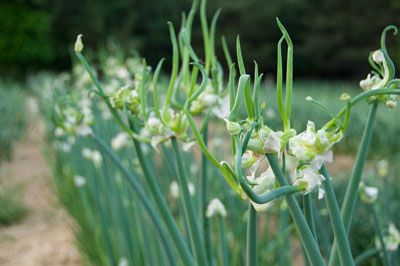
As the round, hollow onion stalks thicken and grow they can be snipped and eaten, similar to chives, but if left alone will develop small white flowers that by midsummer begin to fade as tiny, curled leaves and numerous small onions, or topsets, begin to grow at the stalk tip. New leaves will rise out of these topsets, which in turn produce further small onions, or bulbils at their tip (hence, the tree-like look of the tree onion name). As the weight of the onions overwhelm the stalk, it bows to the ground, and the young onions lay in the soil, root and form a new plant just inches away, almost as if stepping, or walking away from the mother plant. Gardeners can leave a few topsets on the plant each year to increase the overall onion yield as they randomly drop, or cut the onions from the stalk and plant in a preferred area. The Egyptian onion also forms numerous bulbils at ground level that can be removed without hurting the plant, providing more onions for the cook and more plants for the gardener.

The underground bulbs multiply each growing season and require dividing every few years. When planting both bulb divisions and the small topsets, avoid beds that have had recent onion crops, to help reduce the risk of transferring any pests or diseases to the young plants that may have been left behind by the previous tenants.

This cool-season crop prefers a well-drained site, high in organic matter with a pH ranging from 6.2 to 6.8. Easily grown in full sun or part shade, the Egyptian onion will sprout to 3 feet high and spread up to 2 feet wide at maturity. Best planted in the spring or fall, the Egyptian onion will provide years of fresh chive-like greens and dozens of shallot size onions all season long. Frost tolerant, Egyptian onions grow in plant hardiness zones 4 through 10 and will survive in zone 3 with a good layer of mulch for protection over the winter. Plant bulbs 1 inch deep, spaced 12 inches apart and keep them well watered; regular, even moisture will provide higher, healthy yields, and a pleasant, mild tasting onion.


1 Comment

Rockin’ Robin…

Oh my goodness, the sad part is, I actually know the words to that song.

But this is about Robins – and there were two of them today that were definitely not rocking in the tree tops all night long.

Either they became curious about the world, or mom said it was time to get a haircut and get a real job. They landed on the patio around 8am (from the nest in an old maple) and continued to hop around the yard all day. Not to worry, mom did spend the day providing plenty of delicious worms and bugs.

I’ve done the whole robin facts blog before (June 9, 2013), but just wanted to share these pictures from today.

Twiddly-diddly-dee, twiddly-diddly-dee, twiddly-diddly-dee, twiddly-diddly-dee
Twiddly-diddly-dee, twiddly-diddly-dee, tweet-tweet, tweet-tweet!


Image

Image

Image

Image

Image

Design a site like this with WordPress.com
Get started