gardenchatter

Garden adventures, thoughts and ideas…


Leave a comment

Let’s Dance!

This has absolutely nothing to do with gardening, weather, pruning or the environment. 

OK, maybe the environment. Our own personal one – and how we approach each day and relate to others. 

We all make choices, and after watching this it made me realize how important those choices are. And how we have the ability to choose them. 

In this season of goodwill, giving, and getting together with friends and family, it just seemed fitting.

Have fun with this. Oh…and hey, Let’s Dance!

http://www.youtube.com/watch?v=m5yCOSHeYn4


1 Comment

Frogs in the Pond

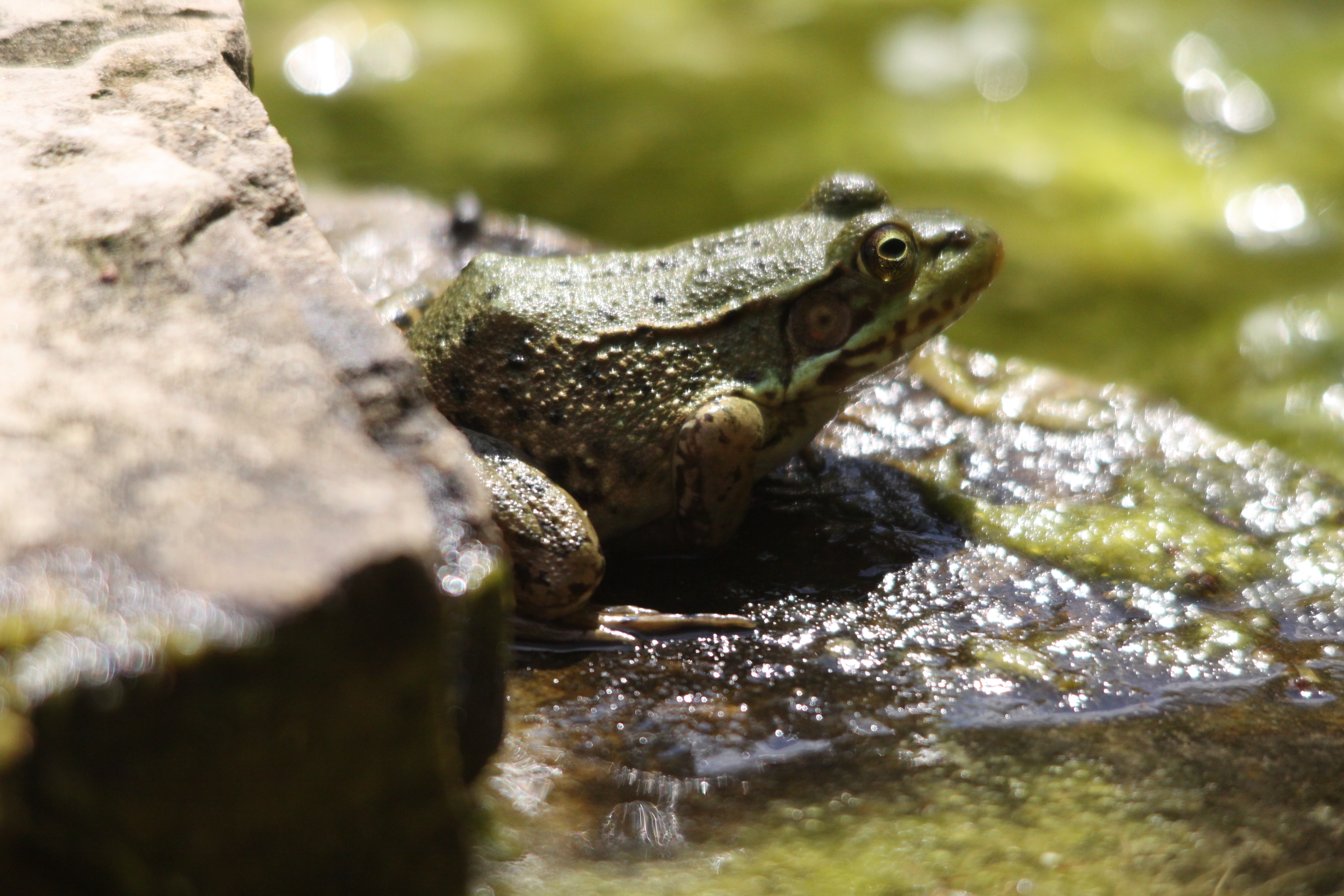
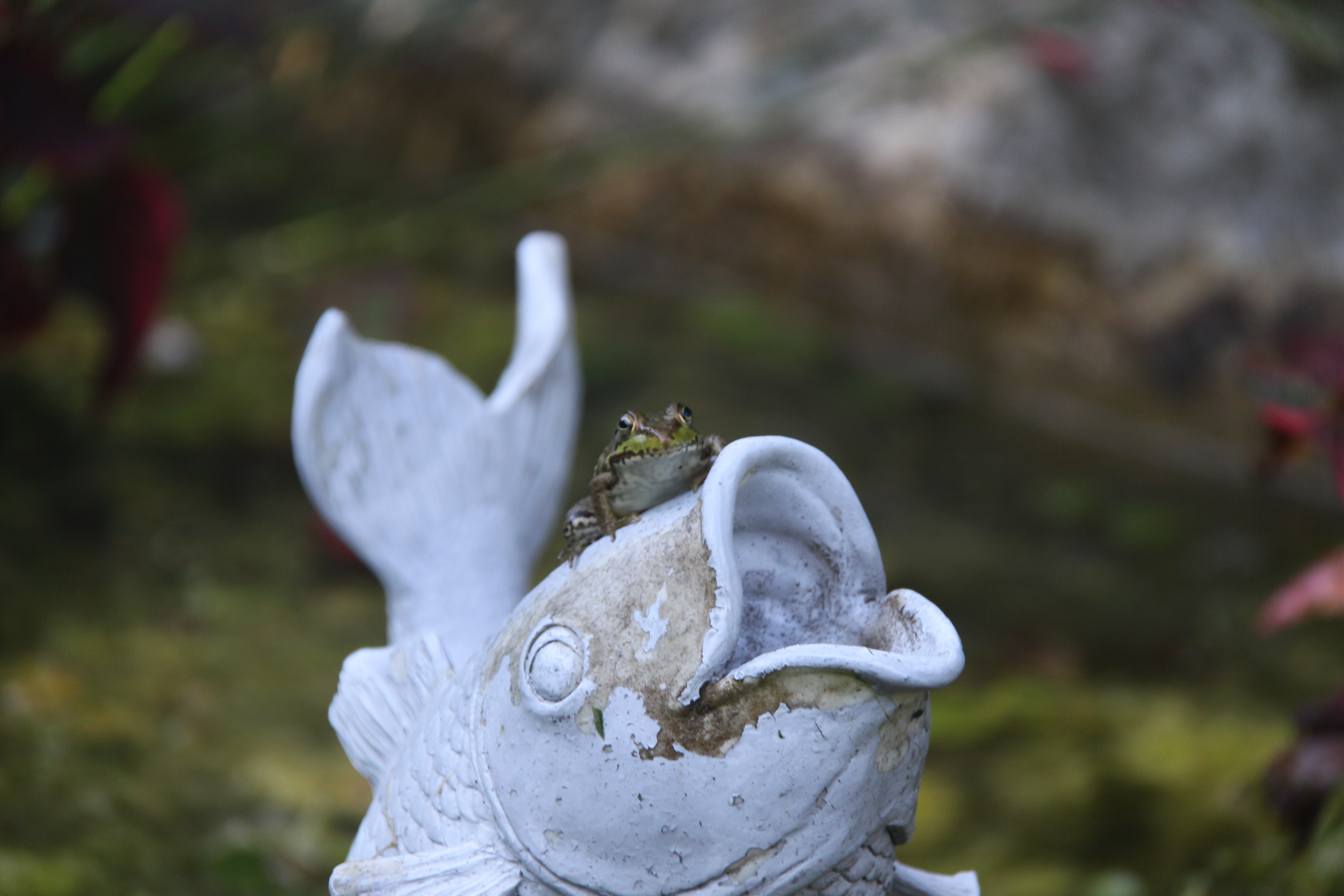
Had an interesting summer of garden creatures this year. The same toad that lived in a pot on the deck last year (see June 2012) came back. He picked a different pot, but it was the same chubby guy, climbing the deck stairs to get to where he wanted to be. 

We also had a family of 5 frogs move into the pond. We’ve had the odd summer where we see one or two, but this was the first time we’ve seen 5 at once. At first they looked like they might have the markings of the Northern Leopard Frog, but I believe they are your basic Green Frog. Hope they return next year….and I hope our very spoiled pet toad does as well!

Image


Image


Leave a comment

Pinky Winky Hydrangea

Image

Wow! Where did the summer go? 

It’s been a good one, a little dry right now, normal for August, but overall good garden weather. Have been on a steady diet of tomatoes, sugar snaps, and bean thanks to the numerous plants in the veggie garden. And the squash is coming along quite nicely. Tried some new beans this year – purple pole and rattlesnake – best we’ve ever eaten. Definitely going to expand the bean bed next year.

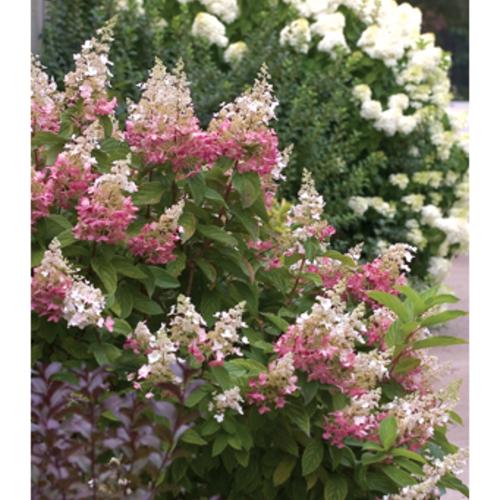
A friend of mine gave me a fabulous pinky winky hydrangea. An old garden was in the process of being redesigned and it needed something spectacular – and this plant sure is.

The large white flower spikes open in mid to late summer, and as summer turns to fall the flowers at the base turn pink. They continue to grow, producing new white florets at the very tip. The result is a stunning two-toned flower  that can reach up to 16 inches in length! 

The hardiest of all hydrangeas – to USDA plant hardiness zones 3 through 9, pinky winky is drought tolerant, provides bright color right through until the frost hits and grows to 8 feet high and 6 feet wide. 

This hydrangea blooms on new wood – prune in late winter or early spring for an incredible summer flower show!


Leave a comment

Spring….and baby robins

Every so often when you least expect it, nature provides you with amazing gifts.

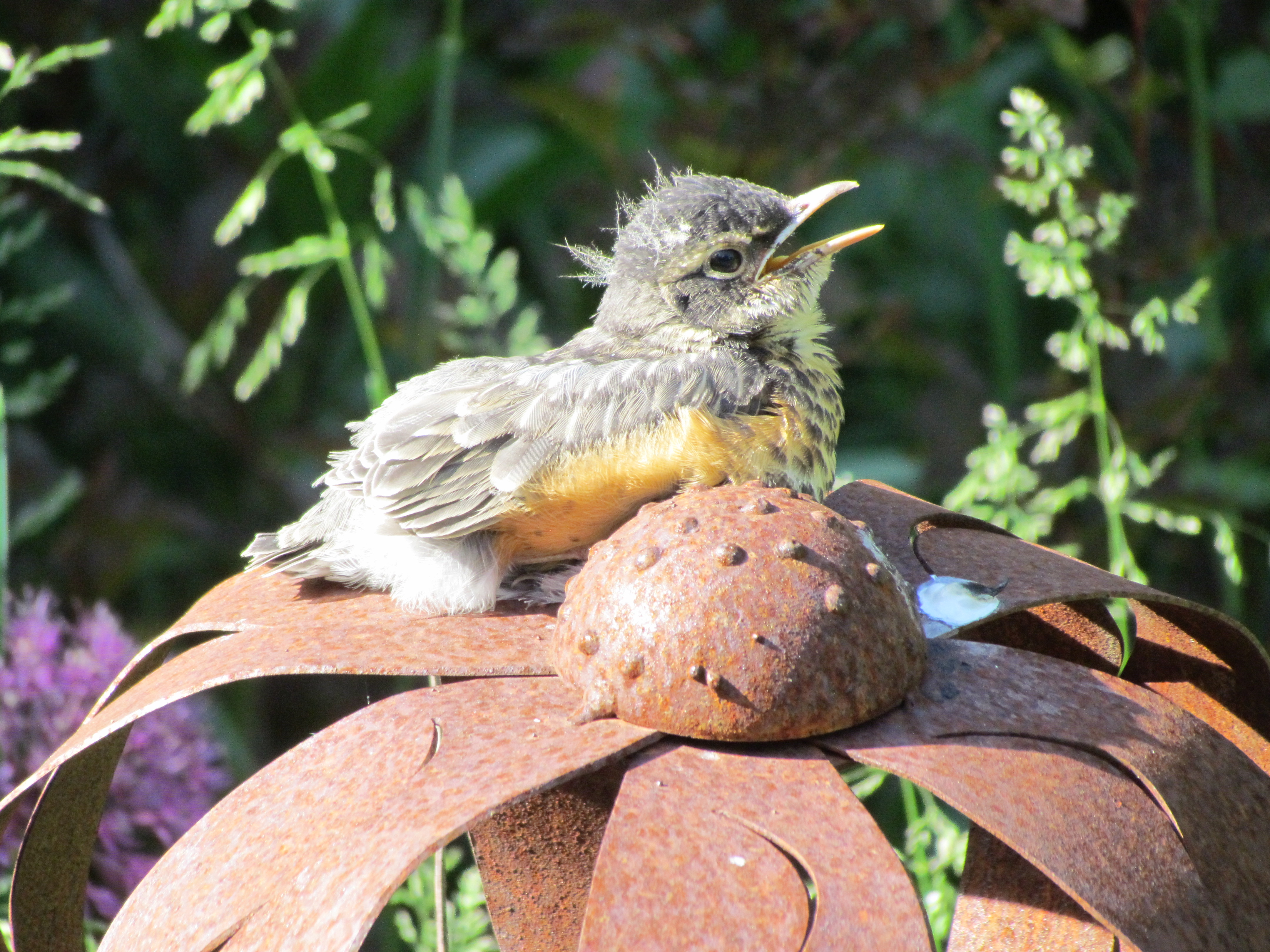
I came home a couple of weeks ago to this new little guy just sunning himself on one of my garden decorations.

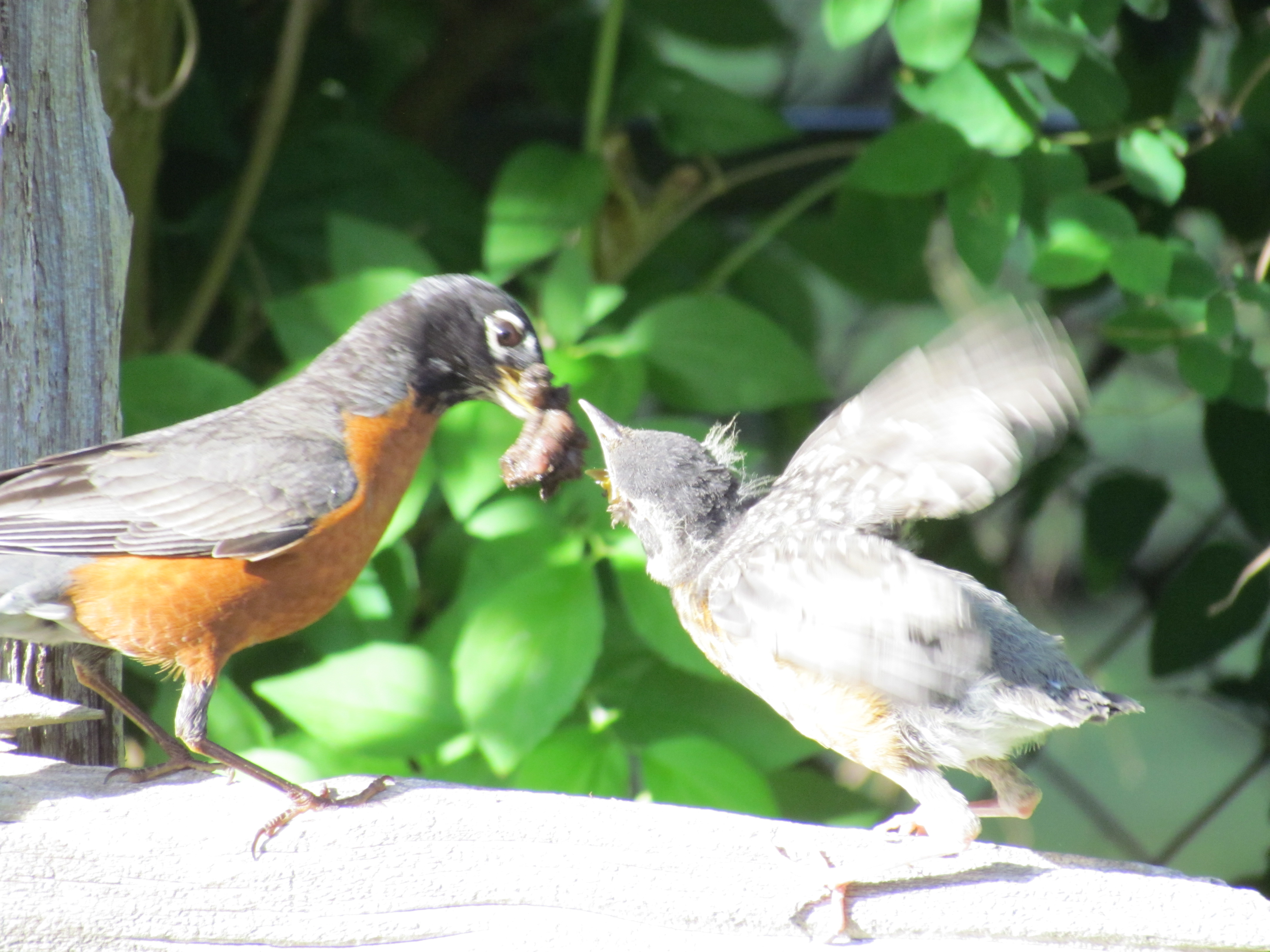
Mom was on the roof of the barn-shed next door, holding a worm, chirping with determination, probably yapping at me to get out of the way so she could feed junior.

And feed junior she did – the shot’s a tad blurry, but you’ll get the idea.

Here’s a few Robin Facts:

Baby robins are helpless at birth but reach the size of their parents after just two weeks! They’re also fuzzy and rather than the orange/red breast of the adult, have a spotted, mottled look to them.

Robins fly at 17 to 32 mph

Robins have about 2,900 feathers

The best way to see a robin in your garden is to dig or water the lawn.  Within minutes one may perch on a fence or branch nearby waiting to inspect the newly-turned soil for earthworms.

Once the female has laid her eggs, she stays in the nest for up to two weeks, staying low over them, well concealed with only her back visible.  The male brings her food, sometimes as often as three times in an hour.

Image

Image


Leave a comment

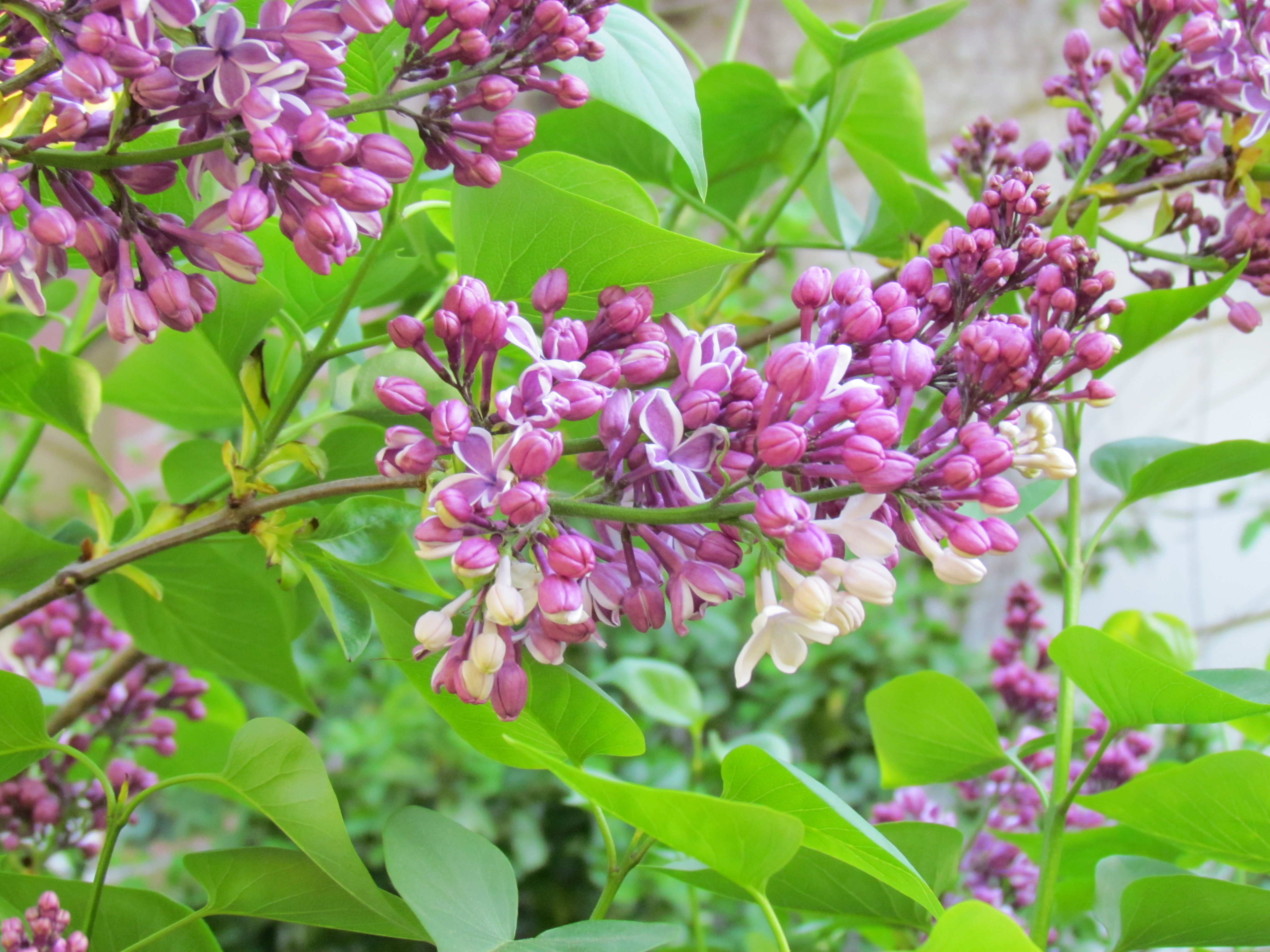
Blooming Lilacs!

The lilacs are fabulous this year. The past couple of springs we’ve been hit with a late frost that completely nips the buds – and as a result, no blooms. This year we got lucky!

Remember, if you’re going to prune lilacs, prune them right after the blooms are finished. They’ll soon start producing next year’s buds, and if you prune them too late in the season, or early next year, you’ll lose a spring full of (hopefully) glorious color. 

Deadheading does help build strong buds for next year’s show, and a light pruning of twigs that are getting out of hand doesn’t hurt. Overall though, just keep it to a minimum. Of course, any dead or damaged or diseased looking branches should be removed at any time during the year. 

Branches that cross and rub on each other should be pruned also as the rubbing may create raw spots that opens the area to infection or disease. 

Here’s one of my favorites that’s out in our garden.

Image


Leave a comment

The Apple Tree is Back

We have an apple tree. Not sure what kind it is, but the apples are small, green and sweet.

Oh…and  overnight the raccoon’s enjoy taking one bite out of as many as they can and leaving the rest behind for us to clean up.

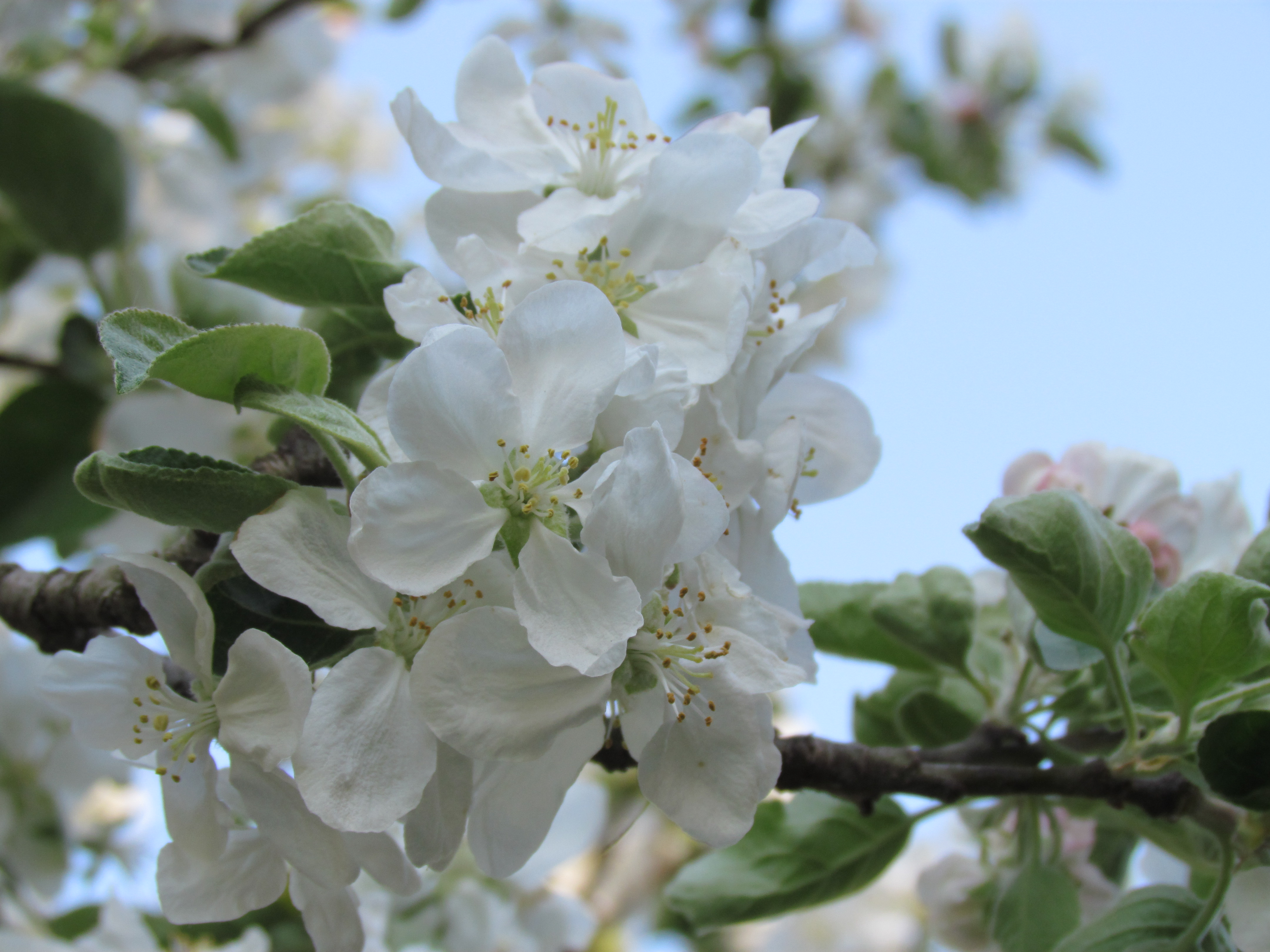
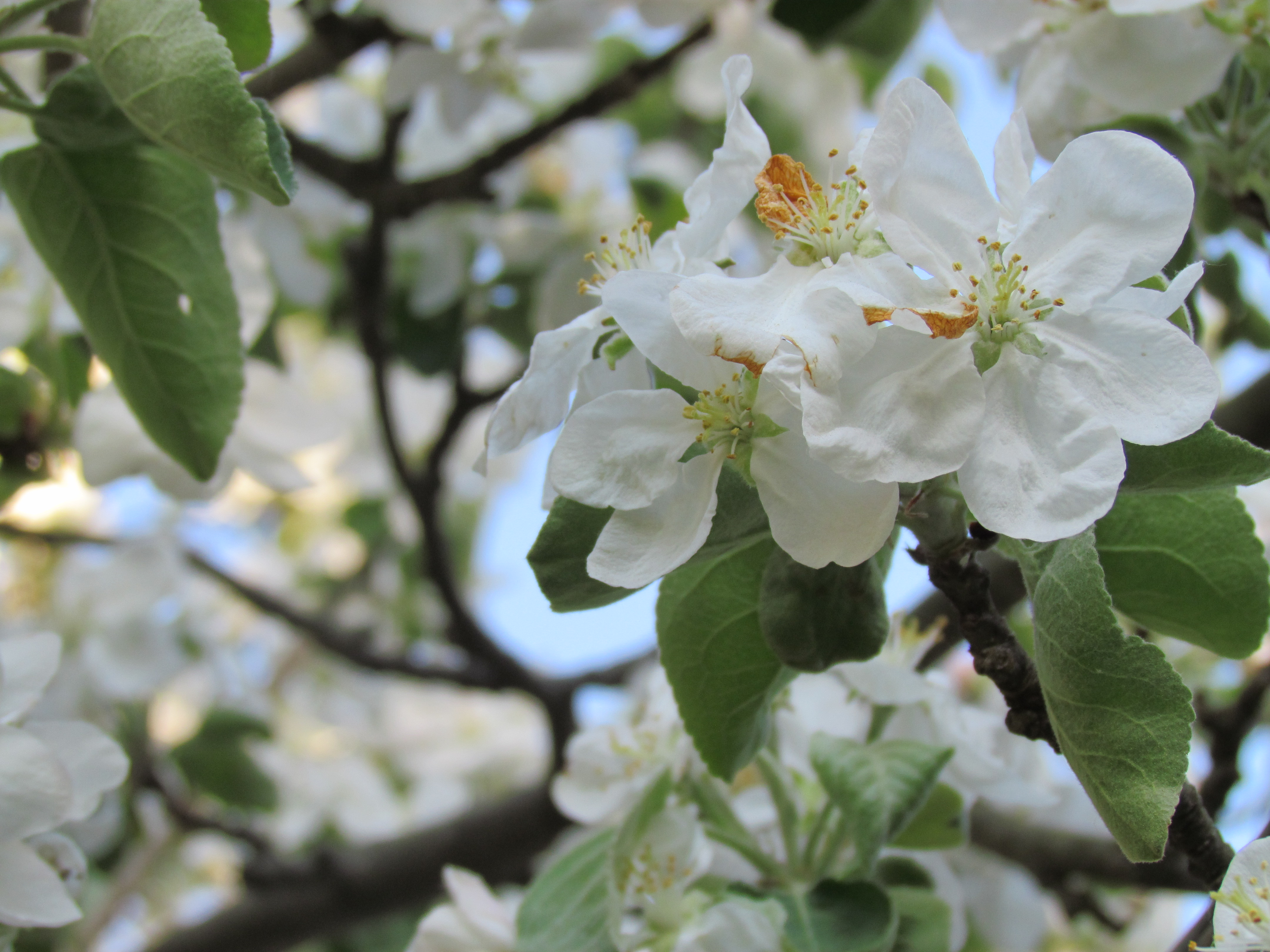
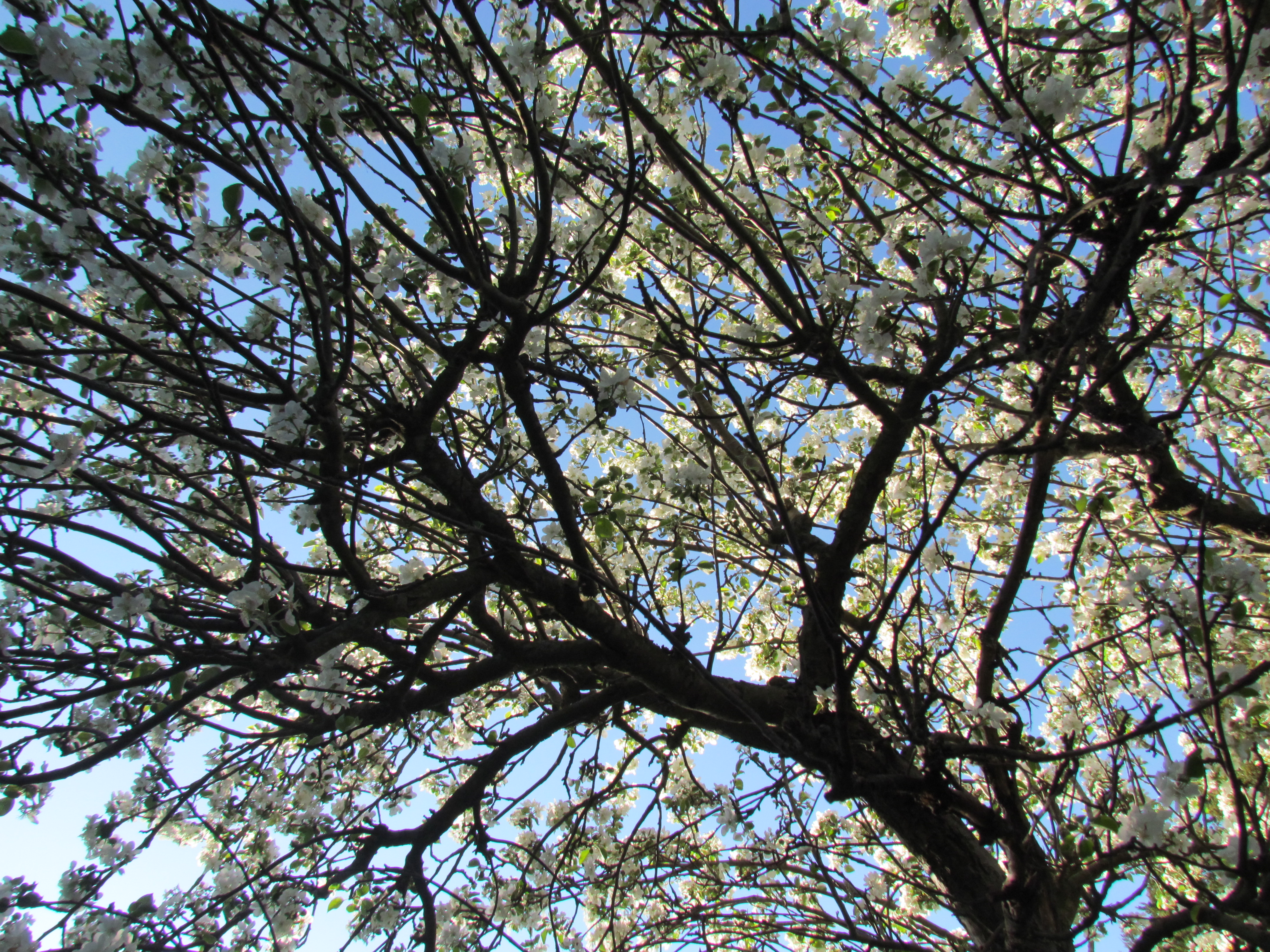
The past few years we’ve had limited or no blooms and no apples. Reasons – two years of apple/cedar rust, a couple of late frosts that killed the blooms, bizarre winters – but this year, Mother Nature did what she should, and the blossoms have been incredible – and  for the first year, in the 8 that we’ve been at this property – unbelievably fragrant.

Here’s a few shots:

Image

Image

Image


Leave a comment

Spring Pruning

So, now we’ve cleaned up the garden and here’s hoping the weather is improving in your part of the world. Next comes spring pruning.

Here’s the basic rules…

Prune out dead wood and diseased or injured limbs any time throughout the year as needed. Removing the damaged wood will only help the rest of the plant to develop new, strong shoots.

Prune spring flowering shrubs after flowering. Plants that bloom in early spring usually produce their flower buds the year before. The buds over-winter on the previous year’s growth and open in spring. If you prune these spring bloomers in fall or winter you’ll remove the flower buds and won’t have flowers that year. The plants will be ok, but you’ll miss a year of blooms. (Lilacs are a classic – as soon as the flowering is finished – prune!)

Prune summer flowering shrubs in late winter or early spring. Many summer flowering shrubs bloom on the current year’s growth. Pruning them back in later winter encourages them to produce plenty ‘O new growth that summer and will result in more flowers. 

However, there are two exceptions to the rule………

Hydrangeas- Some bloom on ‘old wood’ while others bloom on ‘new wood’ – know your plant type before pruning.  Pruning at the wrong time won’t hurt the plant, but you may miss out on a year of spectacular blooms.

Clematis (Yikes!)

Clematis are on a whole different planet when it comes to pruning. There are three different bloom and prune times. But remember this – If it blooms before June – Don’t Prune!

Know your clematis before you prune…

Group 1/A – flowers in spring on old wood. Prune after flowering (summer) – light pruning only to remove dead or damaged wood only.

Group 2/B – flowers early summer and has repeat blooms later in the season – flowers on both old and new wood. Prune after flowering in late fall or winter. Remove dead wood adn cut to 12″ or so every couple of years – that’s all it needs.

Group 3/C – flowers late summer on new wood. Prune after flowering in late winter or early spring. Hard prune this one to 12″, ensuring a few strong buds remain – will give you plenty of strong, new wood for spectacular blooms!



Leave a comment

Spring Garden Chores!

Yes, it’s that time again. Spring clean up. And we all know we need to clean up the winter debris, rake the leaves, clean out the pond, get the compost going again and clean and sharpen the tools….

But there’s a few other things we should do in spring to make sure the garden looks it’s best all summer long.

Apply slow-release fertilizer to flowering shrubs and vines, including roses, rhododendrons   clematis. Many vines and climbers are heavy feeders and a little extra boost right now will help them remain strong and colorful.

Give summer-flowering bulbs, such as cannas and dahlias, a  head start by potting indoors   under lights until after the last frost date. Then there’s no more waiting until July for blooms – you’ll see some in May and June.

Divide mature perennials such as phlox, showy stonecrop and bee balm as they begin to   sprout, before temperatures get too high. (And if you don’t have anywhere to plant   them, donate them to your horticultural society or garden club for their spring fundraising plant sale!)

Pull out weeds as they appear – will prevent them from seeding and multiplying. A little diligence now goes a long way with weed prevention.

Watch for any plants that have been pushed up by the frost and secure them back into the   ground. The sooner, the better – before the roots dry out and the plants begin to struggle.

Fix any mounds of dirt left by tunneling critters over the winter – with the soft soil of spring, the   area can become unsafe.

Happy Spring Clean Up!

Design a site like this with WordPress.com
Get started