gardenchatter

Garden adventures, thoughts and ideas…


1 Comment

Rockin’ Robin…

Oh my goodness, the sad part is, I actually know the words to that song.

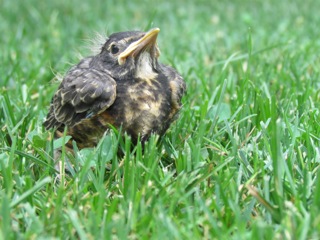
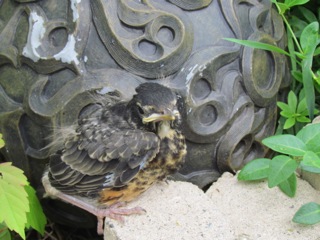
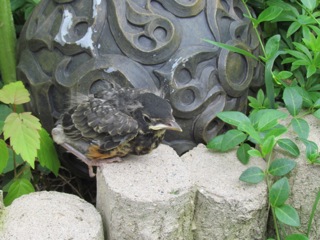
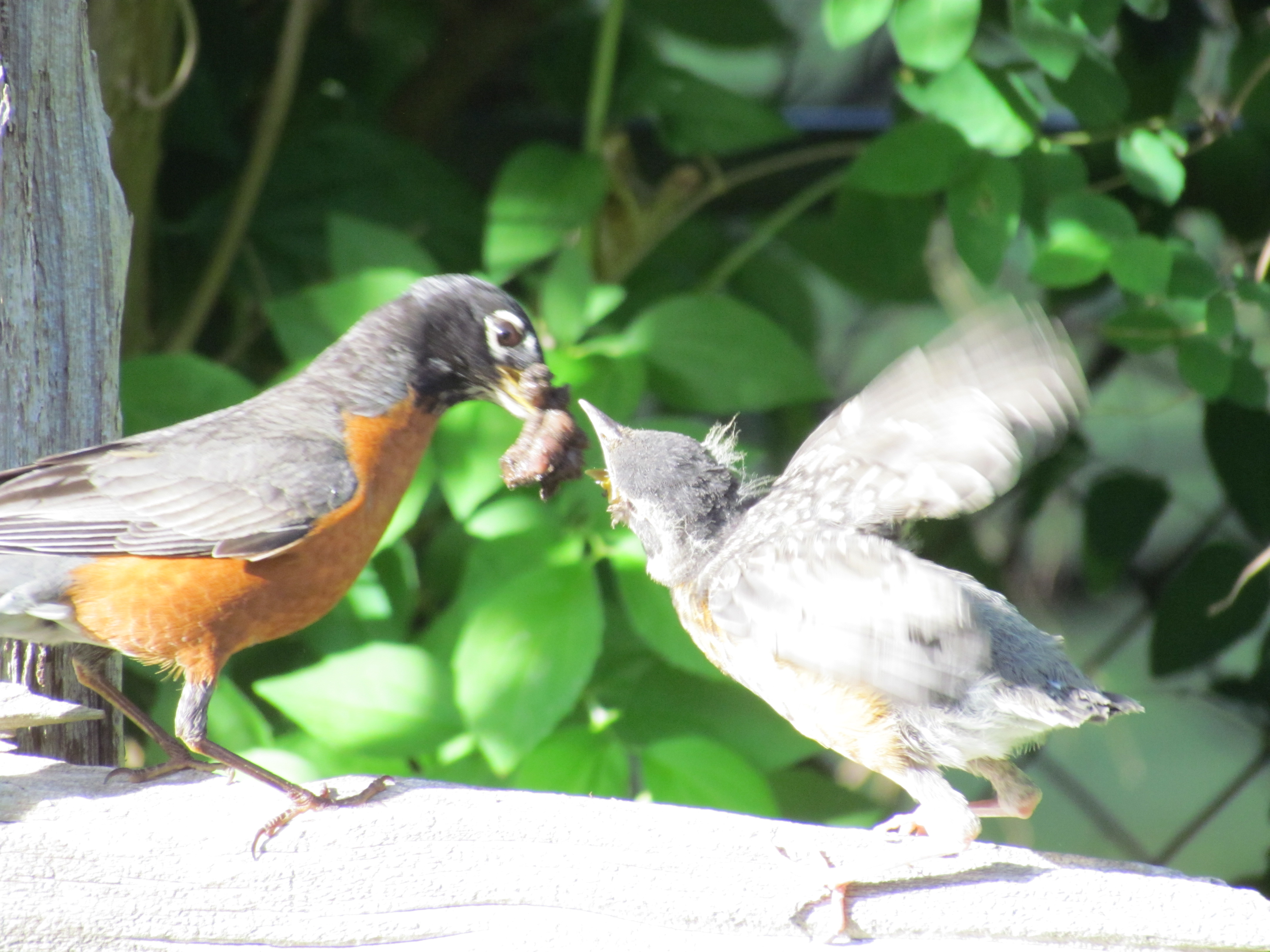
But this is about Robins – and there were two of them today that were definitely not rocking in the tree tops all night long.

Either they became curious about the world, or mom said it was time to get a haircut and get a real job. They landed on the patio around 8am (from the nest in an old maple) and continued to hop around the yard all day. Not to worry, mom did spend the day providing plenty of delicious worms and bugs.

I’ve done the whole robin facts blog before (June 9, 2013), but just wanted to share these pictures from today.

Twiddly-diddly-dee, twiddly-diddly-dee, twiddly-diddly-dee, twiddly-diddly-dee
Twiddly-diddly-dee, twiddly-diddly-dee, tweet-tweet, tweet-tweet!
 

Image

Image

Image

Image

Image


Leave a comment

Spring….and baby robins

Every so often when you least expect it, nature provides you with amazing gifts.

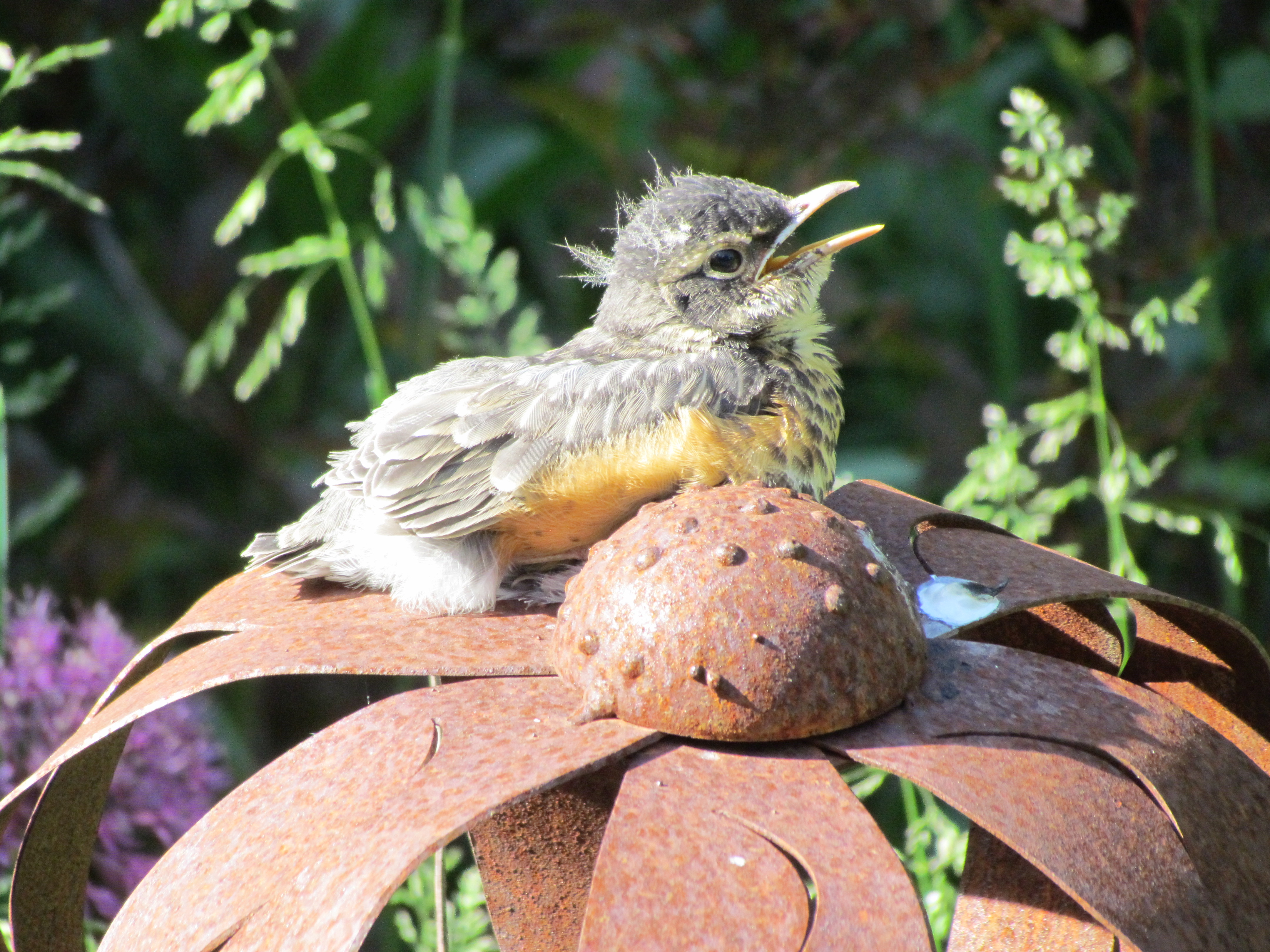
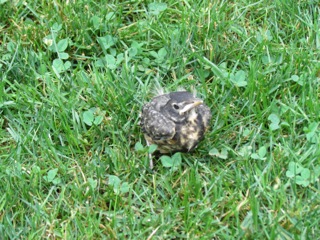
I came home a couple of weeks ago to this new little guy just sunning himself on one of my garden decorations.

Mom was on the roof of the barn-shed next door, holding a worm, chirping with determination, probably yapping at me to get out of the way so she could feed junior.

And feed junior she did – the shot’s a tad blurry, but you’ll get the idea.

Here’s a few Robin Facts:

Baby robins are helpless at birth but reach the size of their parents after just two weeks! They’re also fuzzy and rather than the orange/red breast of the adult, have a spotted, mottled look to them.

Robins fly at 17 to 32 mph

Robins have about 2,900 feathers

The best way to see a robin in your garden is to dig or water the lawn.  Within minutes one may perch on a fence or branch nearby waiting to inspect the newly-turned soil for earthworms.

Once the female has laid her eggs, she stays in the nest for up to two weeks, staying low over them, well concealed with only her back visible.  The male brings her food, sometimes as often as three times in an hour.

Image

Image


Leave a comment

Hummingbirds

Image

Hummingbirds amaze me.

Have you ever seen them dance and play through the light shower that the sprinkler provides? Every time we water, there they are – swiftly spinning and flying through the drops, sparkling in the sunlight and enjoying their quick bath. I guess bird baths are typically too deep for them so perhaps this is how they get around it??

The ruby-throated is what spends the summer in our yard each year, and they have remained close by again this summer. Three or four times a day they make their rounds from plant to plant and stop by the patio table to hover for a second or two, as if saying hello, before they fly off to the next bright flower.

A few interesting ruby-throated facts:

– They beat their wings roughly 55 times per minutes.

– It’s short legs prevent it from walking or hopping (answers the bird bath quandry!). The best they can do is shuffle along a perch. It scratches it’s head and neck by raising a foot up and over its wing.

– They prefer to feed on red or orange flowers. Like many birds, they have good color vision and can see into the ultraviolet spectrum, which we cannot (However, the one that came to visit pictured above seems to be quite happy with large, pink zinnias).

– They also catch insects in midair or pull them out of spider webs.

They’ll soon be heading south, to warmer climates for the winter season, so as the summer blooms begin to fade, remember to keep the hummingbird feeder full to give them plenty of food and energy for the long flight!

Design a site like this with WordPress.com
Get started